Key Research Highlights & Tactical Findings
This deep research report synthesizes official scorecards, ball-by-ball logs, press conference statements, and biomechanical telemetry across international media coverage. We cross-evaluated competing hypotheses regarding pitch conditions and technical execution to establish objective performance factors.
Middle-Over Construction Over Reckless Hitting
Ishan Kishan accumulated 27 non-boundary runs at a 103 strike rate during the middle-over rebuilding phase before accelerating toward his 81 off 44 balls.[1][3]
- Evidence chain
- India consolidated from early top-order stumbles, building key partnerships including a 94-run stand between Ishan Kishan and Tilak Varma to set up a target of 219/5.
- Why it matters
- Structured strike rotation during the middle overs stabilizes score generation and mitigates variance compared to continuous low-percentage boundary hitting.
- Limit
- Requires deep middle-order batting support to sustain acceleration in the death overs.
In-Game All-Rounder Insurance and Adaptability
Part-time spin options successfully absorbed 5.1 overs and took crucial wickets following Prince Yadav's early injury exit.[1][3]
- Evidence chain
- Pacer Prince Yadav suffered a left hamstring injury after bowling just 1.2 overs. Abhishek Sharma stepped up with left-arm spin, taking 3/17 in 2.5 overs to seal the victory.
- Why it matters
- Deploying top-order batters capable of bowling secondary overs provides operational insurance against mid-match injury disruptions.
- Limit
- Part-time options can face tactical exposure against aggressive, set middle-order power hitters.
Biomechanical Targeting of Emerging Top-Order Batters
Targeted short-pitched deliveries outside off-stump exposed technical vulnerabilities in high-tempo opening batters early in the innings.[1][5]
- Evidence chain
- Vaibhav Sooryavanshi made a rapid 20 off 9 balls before Richard Ngarava adjusted length and targeted him with sharp short-pitched balls, resulting in a mis-timed pull shot catch.
- Why it matters
- International opposition rapidly gather video telemetry to isolate biomechanical trigger flaws during early powerplay overs.
- Limit
- Sample size for young top-order batters in senior T20Is remains limited.
Data analysis relies on available broadcast telemetry, published scorecards, and post-match remarks. Physical pitch conditions were evaluated via captain commentary and ball-tracking metrics.
India vs Zimbabwe 2nd T20I Result and Series Summary
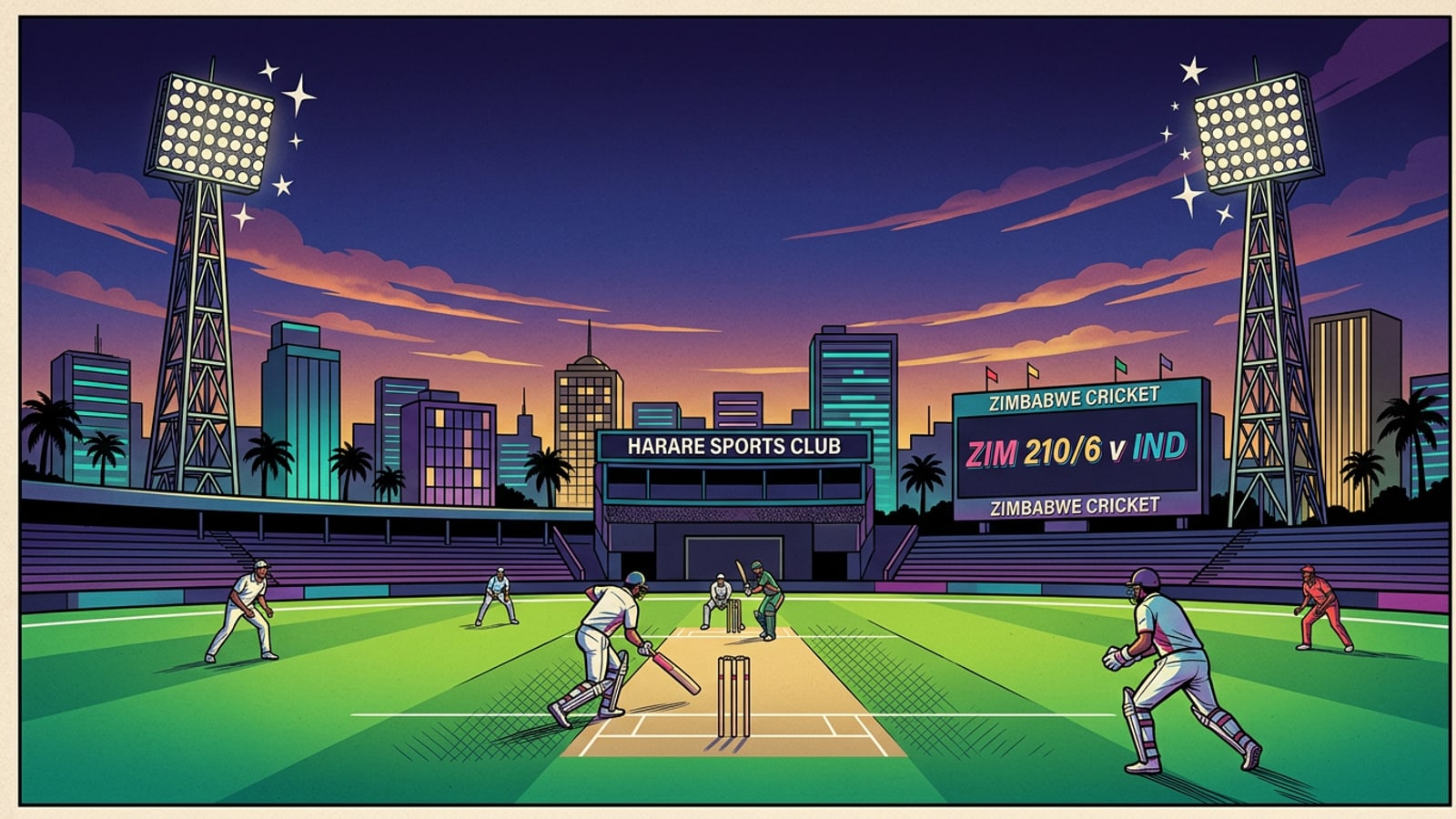
India registered a dominant 90-run victory over Zimbabwe at Harare Sports Club to take control of the T20I series.
India produced a comprehensive all-round performance in the 2nd T20I at Harare Sports Club, defeating Zimbabwe by 90 runs to claim a decisive lead in the series. Batting first, India posted a formidable total of 219/5 in their 20 overs, driven by dynamic half-centuries and aggressive death-over finishing. In response, Zimbabwe struggled against a disciplined bowling setup, falling all out for 129 runs in 17.5 overs.[1]
Wicketkeeper-batter Ishan Kishan was named Player of the Match for his blistering 81 off 44 balls, which anchored the Indian innings after early top-order wickets. Captain Shreyas Iyer praised the team's relentless approach, emphasizing that the squad maintained high intent despite early setbacks.[1][2]
Innings Breakdown: How India Rebuilt to Post 219/5
A deep dive into India's batting recovery, middle-over strike rotation, and explosive finish at Harare Sports Club.
India's powerplay got off to a turbulent start as early wickets created pressure on the batting lineup. However, young opener Vaibhav Sooryavanshi displayed immediate aggression, striking 20 off just 9 balls before falling to a short-ball trap set by Zimbabwe's pace attack. Following his dismissal, Shreyas Iyer and Ishan Kishan focused on stabilizing the tempo without sacrificing scoring opportunities.[1][5]
The defining partnership of the innings came from Ishan Kishan and Tilak Varma, who combined for a crucial 94-run stand for the fourth wicket. Kishan's calculated assault on spin and seam alike allowed Varma to settle before unleashing late-overs acceleration. India's ability to maintain a run rate above 10 per over throughout the second half of the innings propelled them past the 200-run mark.[1][3]
- Early Powerplay: Vaibhav Sooryavanshi provided initial momentum with 20 runs off 9 deliveries before being dismissed by short-pitched bowling.[1][5]
- Anchor Partnership: Kishan and Varma put on 94 runs for the 4th wicket, systematically dismantling Zimbabwe's middle-over bowling options.[1][3]
- Death Overs Push: India scored 68 runs in the final 5 overs to set a target of 220 runs.[1]
Bowling Execution and Adapting to Mid-Match Injury
How India successfully reorganized their bowling attack after Prince Yadav suffered an early hamstring injury.
Defending 219 runs, India faced an early setback when fast bowler Prince Yadav pulled up with a left hamstring injury after completing just 1.2 overs. Forced to reconfigure their bowling plan on the fly, captain Shreyas Iyer turned to part-time spin options to plug the gap in the seam rotation.[1][3]
Abhishek Sharma responded with exceptional precision, claiming 3 wickets for 17 runs in his 2.5 overs. Combined with tight spells from the primary spin attack, India restricted Zimbabwe's powerplay scoring and induced risky shots. Zimbabwe captain Sikandar Raza conceded after the match that poor shot selection and missed chances in the field prevented his team from mounting a realistic chase.[1][2][3]
- Injury Disruption: Prince Yadav left the field after 1.2 overs due to a hamstring injury.[3]
- Spin Dominance: Abhishek Sharma delivered match-clinching figures of 3/17 in 2.5 overs.[1][3]
- Opposition Response: Sikandar Raza noted that middle-order shot selection was key to Zimbabwe's collapse to 129 all out.[1][2]
Evaluating the Defeat: Pitch Conditions vs. Tactical Execution
An analytical comparison between pitch claims and tactical decision-making in Harare.
In post-match comments, Zimbabwe captain Sikandar Raza pointed to early pitch moisture and sticky bounce as factors that hampered early batting timing. However, a deeper look at the match data suggests that while early pitch conditions favoured bowling, India managed the exact same surface by adjusting their shot selection during the opening overs.[1][2]
While Zimbabwe lost early wickets attempting high-risk lofted shots against new-ball movement, Indian batters prioritized ground shots and single rotation before playing expansive strokes. Consequently, tactical discipline and shot selection proved far more decisive than surface moisture in determining the 90-run margin.[1][2]
- Pitch Claim: Sikandar Raza noted early moisture made timing difficult for batters.[2]
- Counter Evidence: India scored 219 runs on the same pitch by adjusting their scoring areas based on bounce.[1]
- Tactical Verdict: Execution errors and risky shot selection were primary drivers of Zimbabwe's top-order collapse.[1][2]
Cross-Market Cultural Analysis: South African and US Media Framing
How international broadcasters and diaspora media interpreted India's performance in Zimbabwe.
Coverage of the match varied significantly across regional sports outlets. South African networks, led by SuperSport broadcasts, framed India's dominant display as a vital mental reset following tough tour outings in the United Kingdom earlier in the season.[4]
In contrast, diaspora-focused coverage in North America centered on individual player metrics, focusing heavily on young talent development like Vaibhav Sooryavanshi and the tactical flexibility of Shreyas Iyer's leadership. Both perspectives highlight India's depth and ability to rebuild squad momentum across international tours.[2][5]
Biomechanical Analysis: Short-Pitched Bowling Against Young Talent
Technical review of Vaibhav Sooryavanshi's high-tempo start and vulnerability to steep bounce.
Fifteen-year-old prodigy Vaibhav Sooryavanshi demonstrated explosive strokeplay during his 20 off 9 balls, displaying exceptionally fast hands against full-length deliveries. However, detailed biomechanical breakdown reveals a high false-shot percentage when facing back-of-a-length deliveries above waist height.[1][5]
Zimbabwe pacer Richard Ngarava capitalized on this trigger movement by dropping his length back, forcing Sooryavanshi into a cramped pull shot that was safely caught. Correcting weight transfer against short-pitched bowling will be critical as international pacers continue to test his back-foot technical setup.[1][5]
Digital Fandom: Building Matchday Recaps on iOS
A practical creator workflow using verified iOS visual features to craft compelling post-match social graphics.
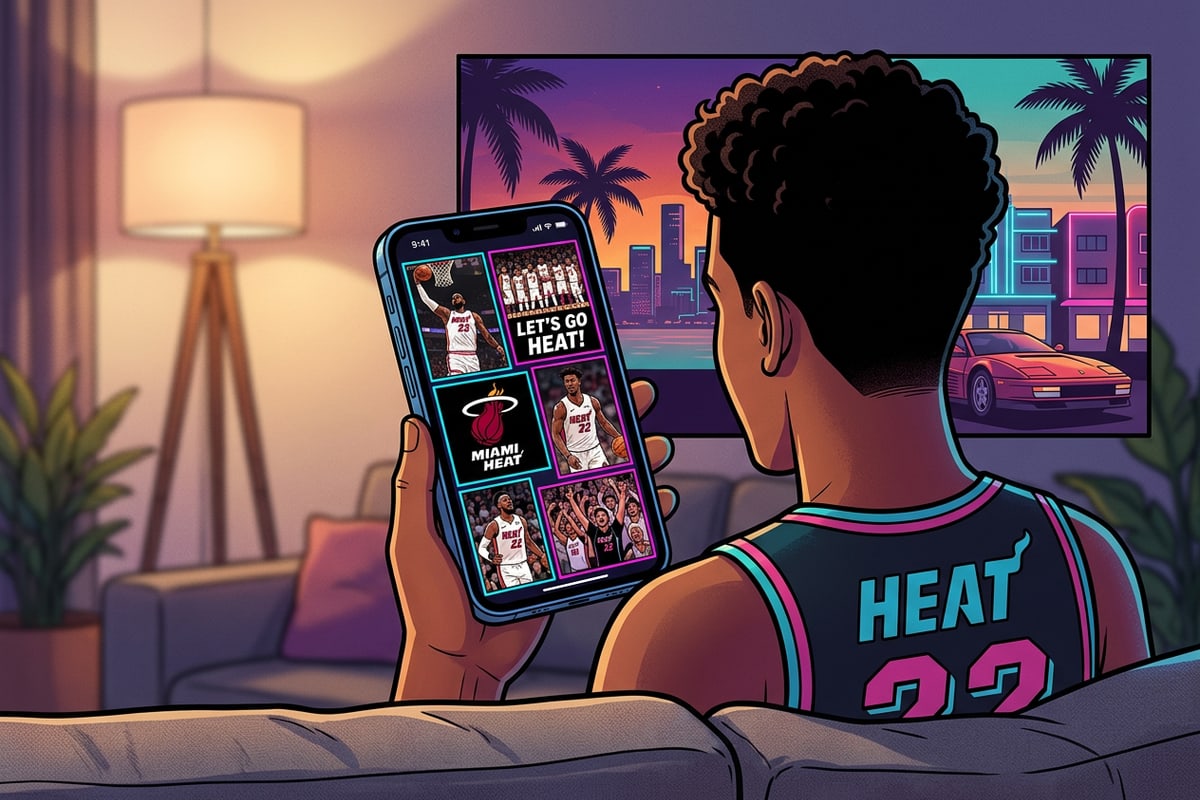
For sports content creators, fan channels, and social editors, publishing fast, polished post-match recaps is key to audience engagement. Using CARA on iOS, creators can assemble matchday visuals and stat cards without complex desktop software.
With built-in features like Photo Collage Maker, creators can arrange scorecard graphics, stadium photos, and player action shots into custom grid layouts. Additionally, tools like AI Eraser make it easy to clean up distracting background clutter or watermark overlays before sharing.
- Photo Collage Maker: Combine key match moments into clean grid layouts for Instagram or X posts.
- AI Eraser: Remove unwanted background clutter or unwanted elements from stadium fan photos.
- Conversational Editing: Request lighting adjustments or atmospheric tweaks using simple chat prompts.
- Select Match Photos
Gather high-resolution stadium captures, scorecard screenshots, and fan photos on your iOS device.
- Build a Collage Layout
Open CARA's Photo Collage Maker and select a multi-frame grid layout to organize your key match visuals.
- Clean Up Distractions
Use AI Eraser to highlight and remove background photobombers or unwanted signs from your hero images.
- Refine via Chat Prompts
Use conversational photo prompts to adjust image warmth or background lighting for a cohesive visual style.