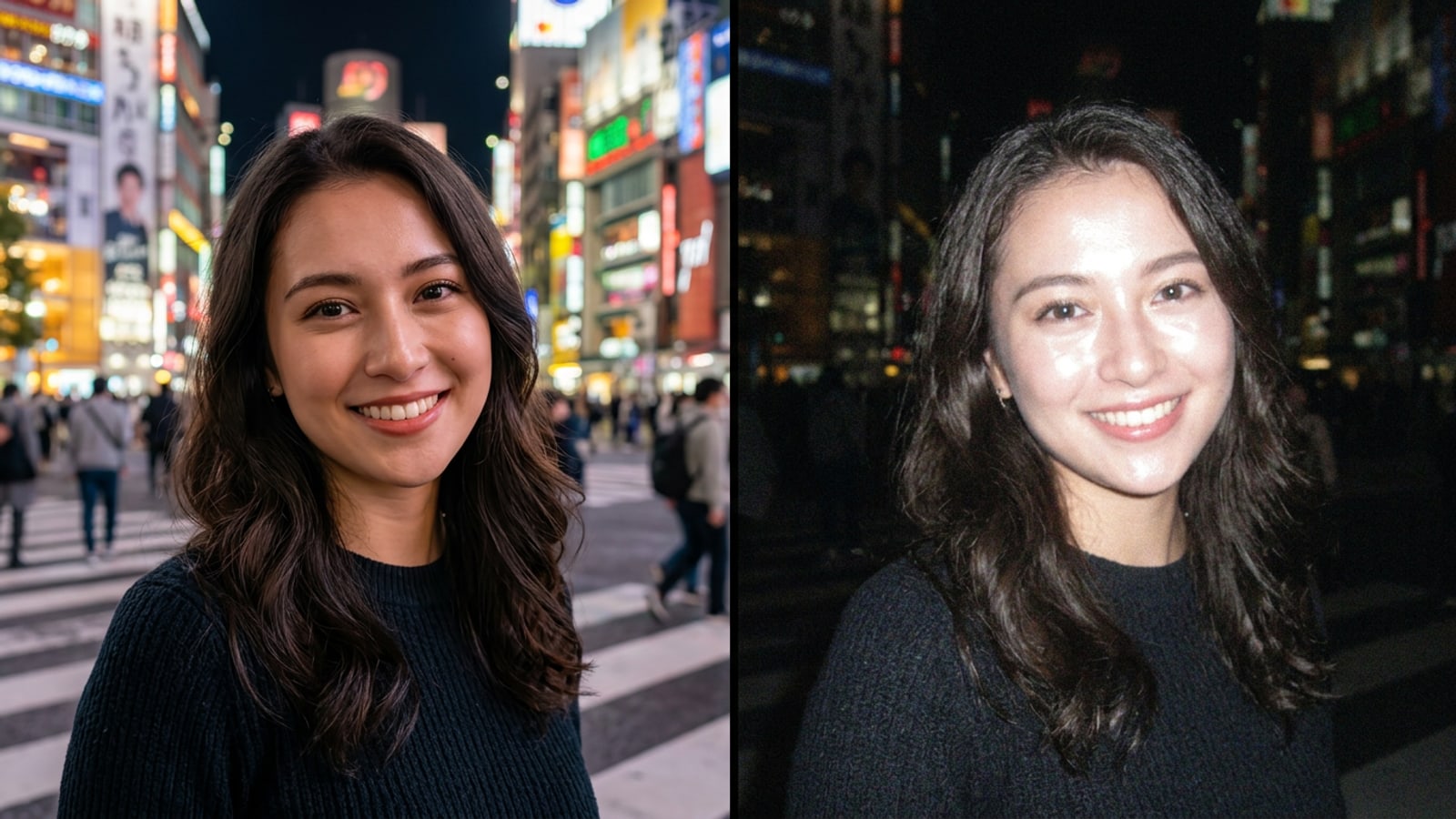
Key Analytical Findings
This report compares physical CCD sensor architectures against modern CMOS sensors and AI diffusion models. We evaluated global market data, including compact camera shipment tracking and US tariff implementations, against sociological trend indicators. Evidence quality was prioritized by favoring technical sensor physics and documented market data over subjective aesthetic claims.
The Paradox of Authentic Imperfection
Imperfection has transitioned into a luxury aesthetic. As the finite global supply of functional Y2K hardware continues to physically degrade, the secondary market will eventually price out the very demographic driving the trend, forcing a permanent migration toward AI-simulated imperfections.[1][2]
- Evidence chain
- Compact camera shipments spiked by 213 percent year-over-year, coupled with a 15 percent US tariff on imported electronics, driving base point-and-shoot prices to $200-$400.
- Why it matters
- Software-based emulation will outlive the physical hardware revival, making natural-language prompting a critical creative skill for future-proofing this aesthetic.
- Limit
- AI models struggle to balance heavy stylization with facial identity preservation during conversational editing flows.
Linguistic Translation vs. Parametric Manipulation
Recreating vintage aesthetics is shifting from manipulating discrete mathematical sliders (like contrast or clarity) to translating physical CCD sensor physics into natural language instructions.[3][4]
- Evidence chain
- CCD sensors transfer electrical charge sequentially across the chip to a single output node, resulting in narrow dynamic range and specular highlight bloom, which can be simulated via latent space representations in AI models.
- Why it matters
- Creators must develop a specific vocabulary of optical physics to achieve precise results, bridging the gap between artistic intent and natural language processing.
- Limit
- Conversational AI models require complex negative constraints that novice users may initially find highly unintuitive.
Aesthetic Degradation Obfuscates AI Detection
Deliberately introducing severe optical flaws (such as blown highlights, soft focus, and heavy sensor noise) to emulate vintage cameras systematically degrades the high-frequency pixel patterns and VAE decoder artifacts that forensic AI detectors rely on to identify synthetic images.[4][9]
- Evidence chain
- AI models predict pixel arrangements based on a heavily compressed latent space representation, which leaves distinct mathematical signatures. Modern forensic detection systems analyze these exact frequency-domain patterns to flag AI-generated content. When users apply heavy, destructive post-processing simulations, they overwrite these subtle algorithmic artifacts, effectively masking the synthetic origin of the image.
- Why it matters
- Deliberate aesthetic degradation complicates automated forensic analysis, creating a blind spot for AI detectors and making lo-fi styling a highly effective, albeit accidental, method for bypassing synthetic content labeling.
- Limit
- While this degradation masks common VAE artifacts, advanced forensic algorithms can still theoretically differentiate synthetic Gaussian noise from the unique spatial correlation of true physical Photo Response Non-Uniformity (PRNU) noise.
This analysis is limited by the rapid evolution of generative AI models and the unpredictable nature of secondary market pricing. While physical CCD sensors have fixed hardware constraints, AI simulation capabilities are constantly updating, which may alter the prompt strategies outlined in this guide.
The $300 Thrift-Store Crisis: Why Vintage Digicams Are Out of Reach
The explosive resurgence of early-2000s pocket cameras has driven secondary market prices to absurd levels, pricing out the very creators who popularized the trend.
The contemporary obsession with the Y2K aesthetic has transformed what was once cheap thrift-store e-waste into highly coveted luxury items. Compact camera shipments have spiked by an astonishing 213 percent year-over-year, fueled by a generational craving for nostalgic, lo-fi visual textures.[1]
However, this sudden surge in demand has collided with harsh economic realities. In the United States, new 15 percent tariffs implemented on imported electronics have further inflated the cost of imaging equipment. As a result, base model point-and-shoot cameras from the early 2000s regularly sell on the secondary market for $200 to $400. This hyper-inflation, combined with the practical headaches of sourcing obsolete memory cards and proprietary, degrading batteries, has made authentic hardware economically inaccessible for many.[2]
- Compact camera shipments spiked by 213 percent year-over-year, indicating a massive global demand for retro imaging.[1]
- A 15 percent tariff on imported electronics has driven up the cost of both new and used cameras in the US market.[2]
- Base model point-and-shoots now routinely command prices between $200 and $400 on secondary platforms.[2]
CCD vs. CMOS: The Optical Physics Behind the Y2K Aesthetic
To replicate the vintage digital camera look, we must first understand the fundamental differences in sensor architecture that modern smartphones have engineered away.
The unique visual signature of early-2000s digital cameras is not a random filter; it is a direct byproduct of physical sensor physics. Vintage cameras primarily utilized Charge-Coupled Device (CCD) sensors, whereas modern smartphones and DSLRs rely on Complementary Metal-Oxide-Semiconductor (CMOS) sensors. CCD sensors transfer electrical charge sequentially across the chip to a single output node.[3]
Specifically, CCD sensors typically exhibit a narrow dynamic range and are highly prone to specular highlight bloom. When a bright light source—such as a cheap, direct pop-up flash—hits the sensor, the electrical charge overflows into adjacent pixels, creating a glowing, hazy halo around highlights. Modern CMOS sensors, backed by aggressive computational photography, actively prevent this bloom, resulting in hyper-sharp, perfectly balanced, but ultimately sterile images.[3]
- CCD sensors transfer electrical charge sequentially to a single output node, creating a distinct analog-like color depth.[3]
- Narrow dynamic range leads to crushed shadows and blown-out, glowing highlights.[3]
- Specular highlight bloom occurs when light overflows into neighboring pixels, a physical defect that defines the Y2K aesthetic.[3]

The Psychological Rebellion: Why We Crave Lo-Fi Visuals
The resurgence of the Y2K digicam is more than a passing fad; it is a psychological reaction to the over-engineered perfection of modern life.
Sociological analyses of modern digital culture suggest that the return of the digital camera is driven by a profound sense of digital fatigue. Today's smartphone cameras use artificial intelligence to instantly retouch skin, balance exposure, and sharpen details, stripping away the raw, candid authenticity of spontaneous moments. By embracing lo-fi visuals, creators are actively rebelling against this sterile, algorithmic perfection.[10][12]
This movement is deeply intertwined with the broader resurgence of Y2K fashion and nostalgia-core. While some critics argue that the physical camera is merely a fashion prop used for status signaling, the massive demand for digital-only filter apps proves that the visual output itself carries immense cultural weight.[11][13][14][15]
How to Recreate the Y2K Look with Cara's Conversational AI Agent
Cara's Conversational Photo Editing feature allows you to bypass complex editing software and simulate vintage optics using natural language.
For creators who want to avoid the inflated costs of vintage hardware, Cara's Conversational Photo Editing feature offers a powerful, software-based alternative. By interacting with Cara's Agent, you can edit or generate images through natural-language requests. Because this process relies on cloud processing, results can vary, but it provides an incredibly accessible entry point for precise aesthetic manipulation.
To achieve the Y2K digicam look, you must translate the physical characteristics of CCD sensors into a structured natural language prompt. Rather than using generic terms like 'retro filter,' you should describe the specific optical flaws—such as direct flash shadows, highlight bloom, and pixel noise—to guide the AI's latent space predictions.
- Conversational Photo Editing lets you modify images using simple, natural-language commands.
- Cloud-based processing handles the heavy lifting, allowing for complex optical simulations.
- Precise prompting bypasses the need for manual slider adjustments in traditional editing suites.
- Upload Your Base Image
Start by selecting a clear, well-lit portrait or candid photo within the Cara app to serve as your base.
- Formulate Your Prompt
Combine your desired action, aesthetic details, and physical constraints into a single, cohesive instruction for Cara's Agent.
- Review and Refine
Analyze the generated output for key Y2K artifacts like highlight bloom and soft focus, and request minor adjustments if needed.
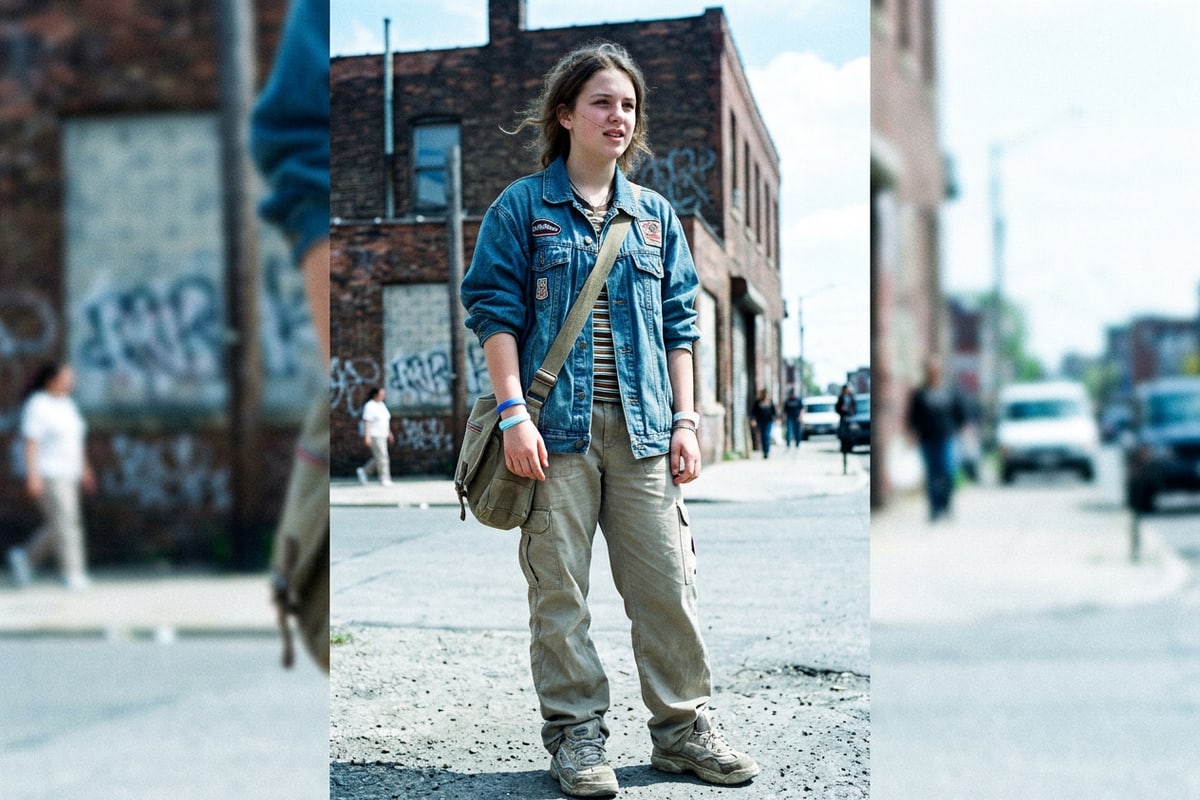
The Prompt Engineering Guide: Translating CCD Physics to Natural Language
Use this copyable prompt framework to accurately simulate the physical limitations of early digital camera sensors.
To get the most realistic results from Cara's Agent, you need to feed it prompts that describe physical sensor limitations. AI models predict pixel arrangements based on a heavily compressed latent space representation. Because synthetic noise often lacks the spatial correlation and physical grounding of true PRNU sensor noise, we must explicitly instruct the AI to simulate these organic textures.[4]
Here is a highly effective prompt formula you can copy and adapt: 'Transform this photo to look like it was taken on a 2004 pocket digital camera. Apply a harsh, direct on-camera flash that overexposes the subject's face slightly and casts a sharp, dark shadow on the wall immediately behind them. Soften the overall focus, introduce subtle glowing highlight bloom around light sources, and overlay a fine, organic digital CCD sensor noise texture. Keep the white balance slightly cool.'
- Harsh direct flash: Instruct the AI to flatten the lighting and create sharp, immediate background shadows.
- Highlight bloom: Request a soft, glowing halo around bright areas to simulate narrow dynamic range.[3]
- CCD sensor noise: Ask for fine, organic digital grain rather than modern, uniform film grain.[4]
The Economic Verdict: AI Emulation vs. Vintage Hardware
A realistic comparison of the total cost of ownership and environmental impact of physical cameras versus AI software.
When deciding between purchasing a physical vintage camera or using AI emulation, it is crucial to look at the Total Cost of Ownership (TCO). A physical point-and-shoot camera now costs between $200 and $400 upfront. When you factor in the cost of proprietary batteries, chargers, obsolete memory cards, and card readers, the true cost can easily exceed $500. Furthermore, these 20-year-old devices are physically degrading, meaning they may fail entirely within a few months of purchase.[2]
From an environmental perspective, neither option offers a clear ecological advantage, as both physical media and digital cloud computing carry heavy, distinct lifecycle footprints. Sourcing and shipping vintage hardware contributes to electronic waste (e-waste) and manufacturing-related carbon debt when replacement parts are produced. Conversely, AI emulation relies on energy-intensive cloud data centers that require massive amounts of electricity and water cooling to process generative models. Because a comprehensive lifecycle analysis reveals significant environmental tradeoffs on both sides, software-based emulation cannot be considered an inherently sustainable alternative; rather, it represents a shift from physical waste to digital energy consumption.
- Physical hardware TCO: $200-$400 purchase price plus ongoing maintenance and accessory costs.[2]
- AI Emulation TCO: Free to download with a low-cost, point-based system for high-volume creators.
- Environmental tradeoff: Physical e-waste and manufacturing vs. the carbon and water footprint of AI cloud processing servers.
Mastering the Digital Nostalgia Workflow
By combining physical optical knowledge with modern conversational AI, you can perfectly capture the Y2K aesthetic on your terms.
The Y2K digicam trend is a beautiful reminder that perfect, hyper-processed photos are not always the most compelling. By understanding the physics of CCD sensors—such as sequential charge transfer, narrow dynamic range, and highlight bloom—you can use Cara's Agent to recreate these beloved imperfections with stunning accuracy.[3]
This approach not only saves you hundreds of dollars on inflated vintage hardware but also gives you complete creative control over your final image. Whether you are creating a nostalgic photo collage or transforming a modern portrait, mastering natural language prompting allows you to bridge the gap between vintage charm and modern convenience.[2]