The Centenary Celebration: Six Countries, Three Continents
Explain the unique hosting structure of the 2030 tournament.
The 2030 FIFA World Cup introduces an unprecedented hosting model designed to honor the tournament's origins while embracing its global future. To celebrate 100 years since the inaugural 1930 tournament in Montevideo, the event will span three continents, creating a literal and figurative bridge across football history. This multi-continental structure represents a major shift from traditional regional hosting to a truly globalized centenary model.[1][5]
The primary hosting duties will be shared by Morocco, Portugal, and Spain, where the vast majority of the tournament will take place. However, the opening centenary matches will be held in Uruguay, Argentina, and Paraguay to pay homage to the roots of South American football. Because of this unique arrangement, all six host nations have been granted automatic qualification for the tournament, ensuring that the foundational countries of the sport are represented on the pitch.[1][2]
Mark Your Calendar: Key Dates for 2030
Provide the confirmed timeline for the tournament.
Managing a tournament across vastly different time zones and hemispheres requires a carefully structured schedule. The 2030 FIFA World Cup will officially run from June 8 through July 21, 2030, giving fans over a month of continuous international football. This extended window accommodates the complex logistics of moving teams and fans between continents.[3]
The action begins in South America, with the special centenary matches scheduled for June 8 and June 9. Following these historic opening games, the tournament will shift focus to the primary host nations in North Africa and Southern Europe, culminating in the final match on July 21. Fans planning to travel or follow the broadcasts will need to prepare for a dynamic viewing experience that spans multiple time zones.[3]
The Grand Stages: Stadiums and Venues
Detail the architectural highlights and venue distribution.
Continuing the expanded format first introduced in 2026, the 2030 World Cup will feature 48 teams competing in 104 total matches. To accommodate this massive scale, games will be played across 23 different venues spread throughout the six host countries. The opening matches in South America will carry immense historical weight, particularly the games played in Montevideo, Uruguay, which serves as a direct homage to the very first tournament held at the Estadio Centenario a century prior.[1][2][4][5]
While the exact distribution of matches across the primary host nations is still being finalized, the location of the final remains a topic of intense anticipation. Both Spain and Morocco are actively lobbying to host the ultimate match. Spain's Santiago Bernabéu is widely considered a natural choice given its rich footballing heritage, but it faces stiff competition from Morocco's Grand Stade de Casablanca, a massive new architectural project being built specifically with the 2030 final in mind.[4]
Creative Workflow: Visualizing the 2030 Hype with AI
Provide actionable steps for fans to create 2030-themed content.
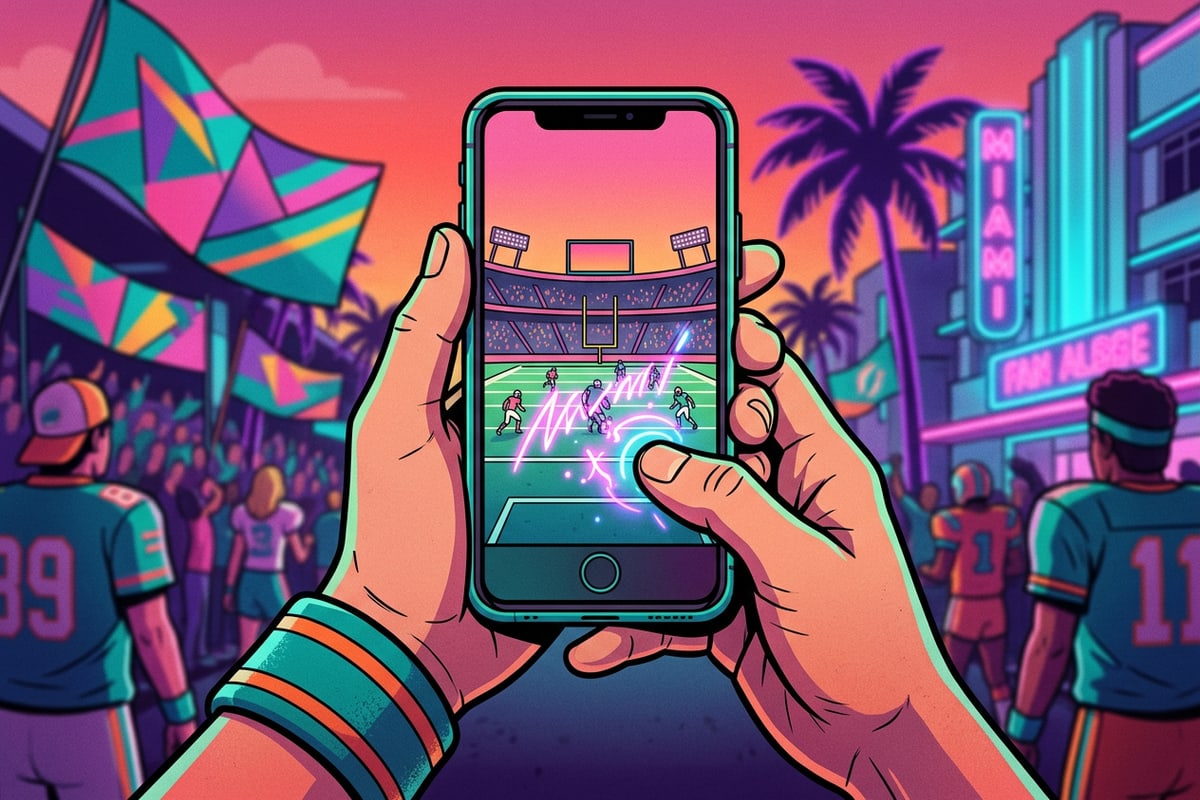
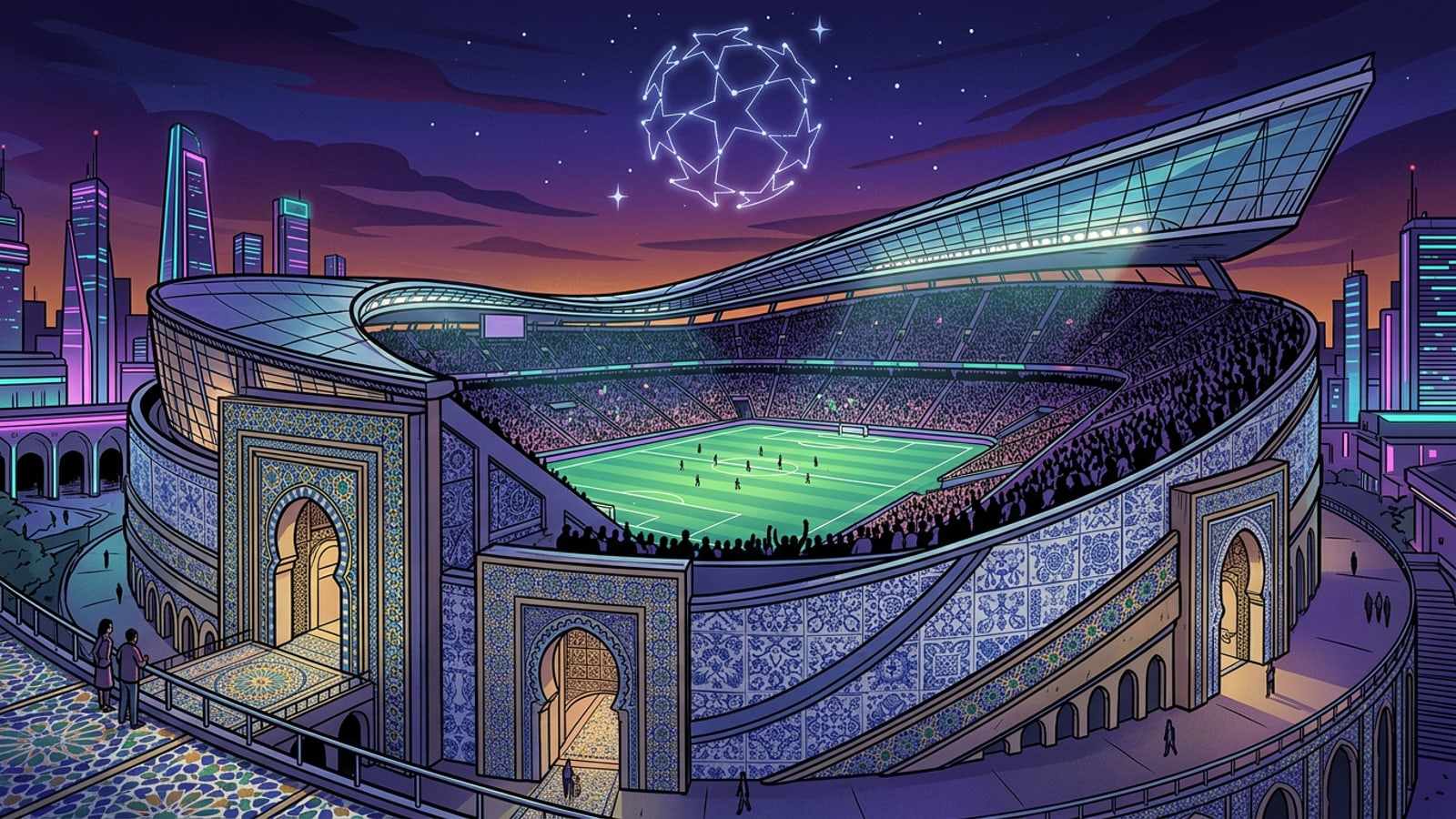
While the tournament is still years away, digital storytelling allows fans to start celebrating the three-continent spectacle today. Whether you want to conceptualize what a Moroccan-Spanish hybrid stadium might look like or clean up your own local matchday photos for social media, Cara's AI tools make it easy to bridge the gap between 2026 and 2030. The transition from the 1930 centenary origins to the 2030 future is a powerful visual metaphor that invites endless creativity.
You do not need advanced editing skills to participate in the hype. Using conversational prompts and intuitive tools, you can generate original art, remove distractions from your travel photos, and build dynamic collages that capture the global spirit of the centenary. By experimenting with these features now, you can refine your digital toolkit long before the first whistle blows.
- Generate futuristic stadium concepts
Use the Text-to-Image Generation feature to visualize the venues of tomorrow. Try a prompt like 'A futuristic football stadium blending Portuguese tiles and modern glass architecture at sunset' to see what the 2030 stages might look like.
- Clean up your fan photos
Have a great photo from a past match but there is a stray cup or distracted fan in the background? Use the AI Eraser to easily remove unwanted objects and keep the focus on your celebration. Complex backgrounds may require another attempt, but the tool is designed for quick fixes.
- Build a multi-nation collage
Celebrate the six host nations by combining your generated stadium art and edited photos using the Photo Collage Maker. Choose a flexible grid layout to showcase the diverse cultures hosting the event, creating a visual tribute to the tournament's global reach.