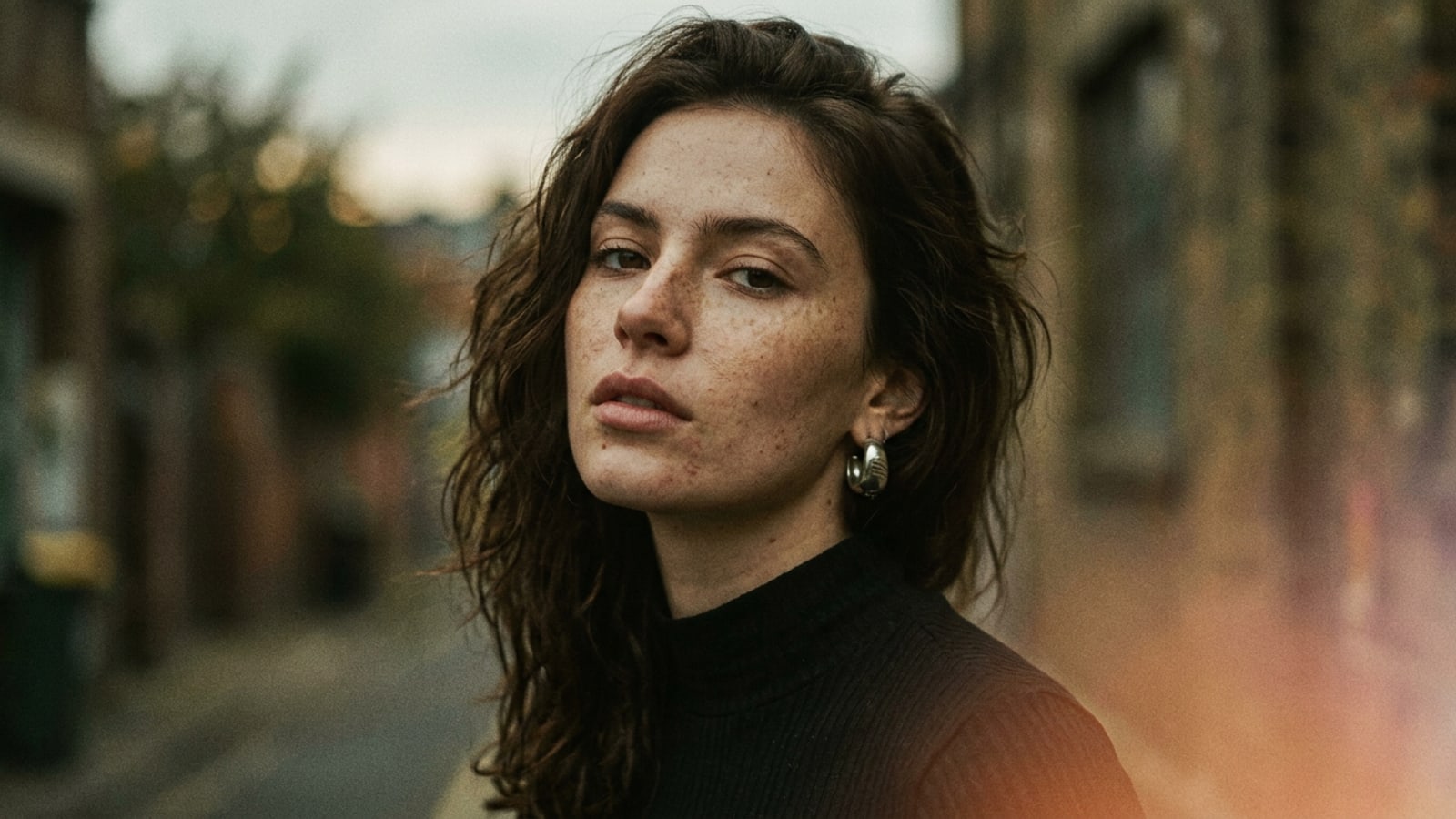
The 2026 'AI Ick': Why Perfection is Out
Technical perfection has become so common that it now feels sterile, leading to a cultural rejection of hyper-polished imagery.
For years, the ultimate goal of generative imagery was to achieve flawless, hyper-realistic output. Developers and creators chased absolute sharpness, perfect lighting, and immaculate skin textures. However, as the technology advanced and these flawless images flooded social media feeds, a phenomenon known as the 'AI ick' emerged. This term describes the unsettling, overly smooth, and plastic appearance of images that lack human nuance and natural environmental interaction.[1]
Because technical perfection has been entirely commoditized, flawless images no longer capture attention or communicate authenticity. Anyone with a smartphone can generate a perfectly lit, blemish-free portrait in seconds. As a result, audiences are actively turning away from sterile digital perfection. They are seeking out visuals that feel grounded, tactile, and distinctly human, proving that flaws are now the ultimate signifier of authenticity.[1]
Understanding the 'Imperfect by Design' Trend
This aesthetic movement prioritizes human-like flaws and organic textures over flawless digital rendering across both photos and videos.
The 'Imperfect by Design' trend is dominating social media as creators look for ways to make their content feel more approachable and lived-in. This movement intentionally incorporates visual artifacts that were once considered mistakes in the early digital photography era. By embracing elements like soft focus, subtle light leaks, and analog color shifts, this aesthetic signals a human presence behind the camera. The rising demand for raw film aesthetic editors on mobile platforms highlights how eager users are to inject this sense of nostalgia and warmth back into their digital lives.[3][4]
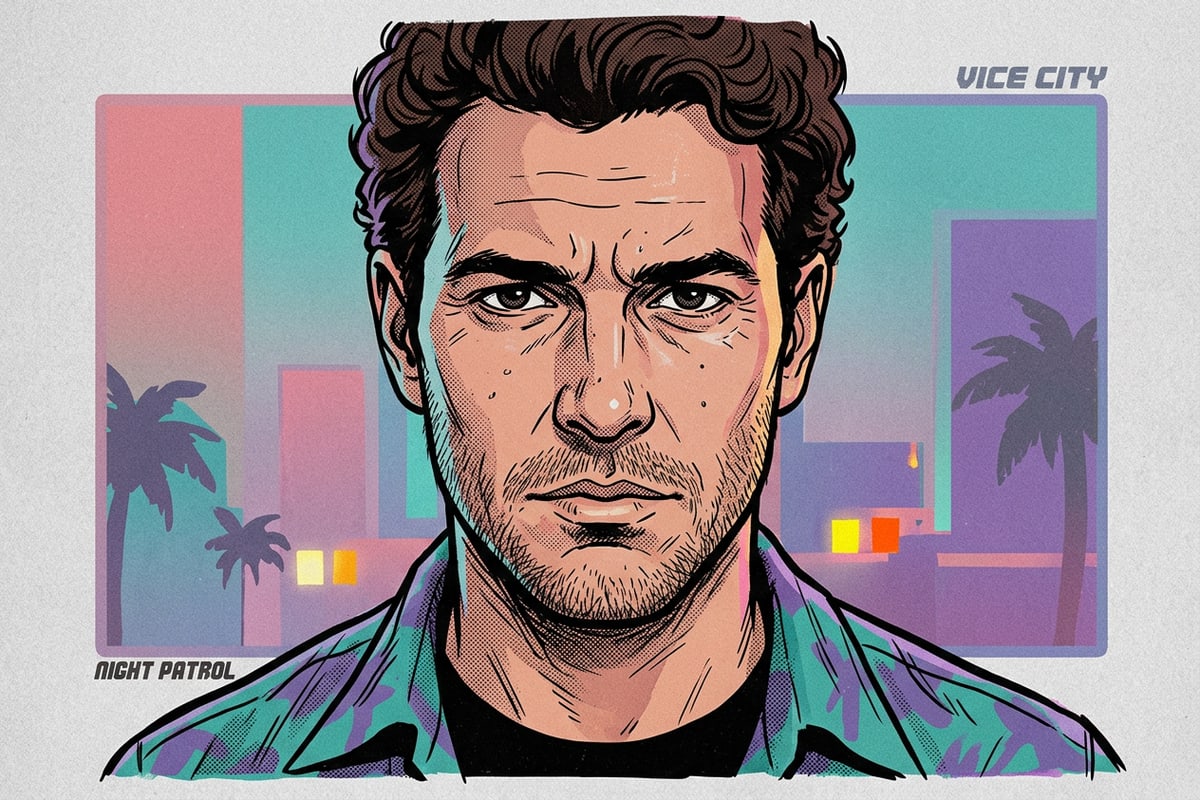
Readers looking to explore specific retro applications of this movement can read our related guide, How to Create 90s Vintage AI Portraits with CARA, which details the exact workflow for capturing that specific era's mood. However, the demand for intentional imperfection is not limited to static images; it heavily influences moving content as well. For instance, CARA's Video-2-Comic feature applies this exact philosophy to video. By allowing users to transform standard iPhone clips into stylized graphic novel art, the app prioritizes hand-drawn imperfections and artistic interpretation over hyper-smooth, interpolated digital video.[3]
Film Grain vs. Digital Noise: The Organic Antidote
True film grain adds structural depth and emotional resonance, whereas digital noise merely degrades image quality.
It is a common misconception that film grain and digital noise are the same thing. Digital noise is a byproduct of a camera sensor struggling for light, resulting in uniform, pixelated color artifacts (chroma noise) that make an image look low-quality and synthetic. Film grain, on the other hand, is the physical texture of microscopic silver halide crystals reacting to light on a strip of celluloid.[2]
Because film grain varies in size, shape, and distribution based on the exposure and the physical film stock, it adds a three-dimensional depth to the image. It naturally clumps in the mid-tones and shadows while leaving highlights relatively clean. Photography apps that successfully emulate this analog blur and structural grain have become the primary antidote to the flat, synthetic look of standard AI imagery.[2]
The Evergreen Appeal of Analog Textures
While highlighted as a massive 2026 trend, the psychological draw of tactile, imperfect imagery represents a permanent shift in digital art.
Although the 'Imperfect by Design' movement is heavily cited as a defining trend of 2026, the underlying psychology ensures its evergreen relevance. The human eye naturally gravitates toward textures that suggest physical reality. When we see a hyper-polished AI image, our brains immediately categorize it as synthetic, creating a subconscious emotional distance from the subject.[1]
By reintroducing the physical constraints of analog media into digital workflows, creators are bridging that emotional gap. The shift away from plastic AI perfection is not just a fleeting fad; it is a fundamental correction in how we value digital art. As AI generation becomes even more advanced, the deliberate choice to include organic flaws will remain the most effective way to communicate vulnerability and authenticity.[1][3]
The CARA Advantage: Structural Grain vs. Overlays
CARA's AI templates generate images with grain baked into the foundation, avoiding the superficial look of manual filter overlays.
Traditional photo editing apps often try to achieve the film look by slapping a transparent grain texture over a finished digital photo. This approach usually falls flat because the grain sits on top of the image like a sticker, rather than interacting with the light, shadows, and contours of the subject naturally.
CARA solves this problem by using an AI template-based generation process. When you select a raw film template, the AI generates the portrait with the grain structurally baked into the image from the ground up. Because CARA features zero manual editing tools or sliders, there is no risk of over-editing or creating a disjointed, artificial texture. The AI understands exactly how the grain should behave across different lighting conditions.
- Grain is generated contextually, appearing heavier in shadows and softer in highlights, mimicking the exact behavior of real 35mm film.
- The complete absence of manual sliders ensures a foolproof, one-tap generation process that guarantees a cohesive, professional aesthetic every time.
Step-by-Step: Getting the Anti-AI Look in One Tap
Generating an authentic, grain-rich portrait is incredibly simple using CARA's curated template library on iOS.
You do not need to understand the intricacies of analog film stocks, ISO ratings, or focal lengths to participate in the 'Imperfect by Design' trend. CARA's streamlined interface is designed for speed and simplicity, allowing anyone to transform a standard selfie into a cinematic, anti-AI portrait in a matter of seconds.
- Download CARA on iOS
Install the CARA app from the App Store on your iPhone or iPad. The app is free to download and includes limited free generations so you can test the workflow immediately.
- Select a Raw Film Template
Browse the regularly updated Template Library and choose a style that features the vintage aesthetic. Look for specific templates like '35mm Classic', 'Raw Grain', or 'Disposable Camera' to get the best organic textures.
- Upload Your Selfie
Provide a clear photo of yourself. The cloud AI will process the image in seconds, applying the structural grain, soft focus, and lighting characteristics of your chosen template without requiring any manual adjustments.
- Save and Share
Once the generation is complete, download the high-quality JPG or PNG directly to your camera roll, or share it straight to your social media feeds to showcase your new aesthetic.
Avoiding the Pitfalls of Manual Editing
Manual editing often leads to over-processed images, which is why template-based generation is the safest route to authenticity.
One of the biggest mistakes creators make when trying to achieve the anti-AI look is over-editing. When given access to manual sliders for grain, sharpness, and contrast, the temptation to push the effects too far is incredibly high. This often results in images that look deep-fried or artificially distressed, completely defeating the purpose of the 'Imperfect by Design' trend.[4]
By removing manual editing tools entirely, CARA protects users from these common pitfalls. The app's curated templates are rigorously tested to ensure the balance of grain, color shifting, and soft focus remains mathematically sound and visually pleasing. You get the exact aesthetic you want without the trial and error of traditional photo manipulation.