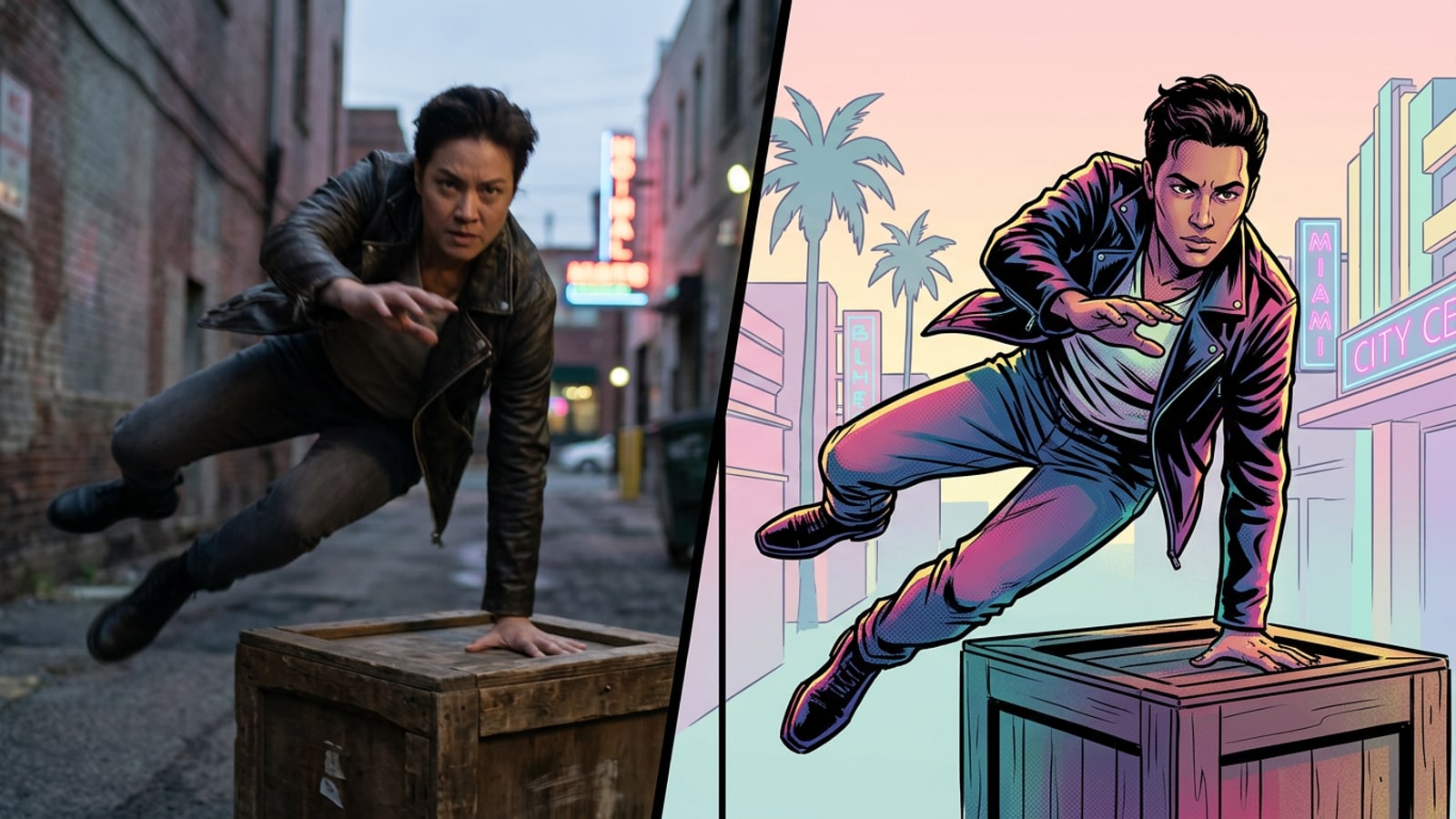
The Rise of the AI Graphic Novel Aesthetic
Comic-style video is trending, but standard filters fall short of true graphic novel quality.
Social media feeds are increasingly filled with highly stylized videos featuring bold black outlines, vibrant colors, and subtle halftone dot patterns reminiscent of classic comic books. This graphic novel aesthetic captures attention by blending real-world motion with the striking visual language of illustration, driving significant engagement across platforms.[3]
However, there is a massive difference between a basic color filter and true AI video stylization. Traditional filters simply overlay a static color grade or edge-detection effect onto a video, which often looks cheap, flat, and artificial. In contrast, advanced AI completely redraws the video frame by frame, creating a genuine piece of animated art.
When using dedicated tools like CARA—the AI photo and video creation app developed by Banana Studio (which is entirely distinct from the anti-AI portfolio platform cara.app)—creators can achieve this high-end look without needing a background in animation or complex desktop software.
Why Quality Takes Time: The 5-Minute Rule
Understanding temporal consistency and why high-fidelity video stylization cannot happen instantly.
When you apply a basic filter, the result is instant. But when you use a true video to comic AI, the process takes time. The biggest technical hurdle in AI video generation is temporal coherence, which is the complex process of ensuring that objects, faces, and backgrounds remain stable from one frame to the next.[4]
If an AI simply redraws each frame independently without referencing the previous one, the resulting video will suffer from severe flickering and a jittery, shimmering effect. To prevent this, advanced models reconstruct frames using depth-aware generation, which preserves motion consistency and keeps the stylized elements locked in place as the camera moves.[5]
This complicated mechanism is exactly why CARA's Video-2-Comic feature requires approximately five minutes to process a clip. The cloud AI is performing deep frame-by-frame analysis to ensure the final output looks like a cohesive, hand-drawn animation rather than a glitchy slideshow.[1]
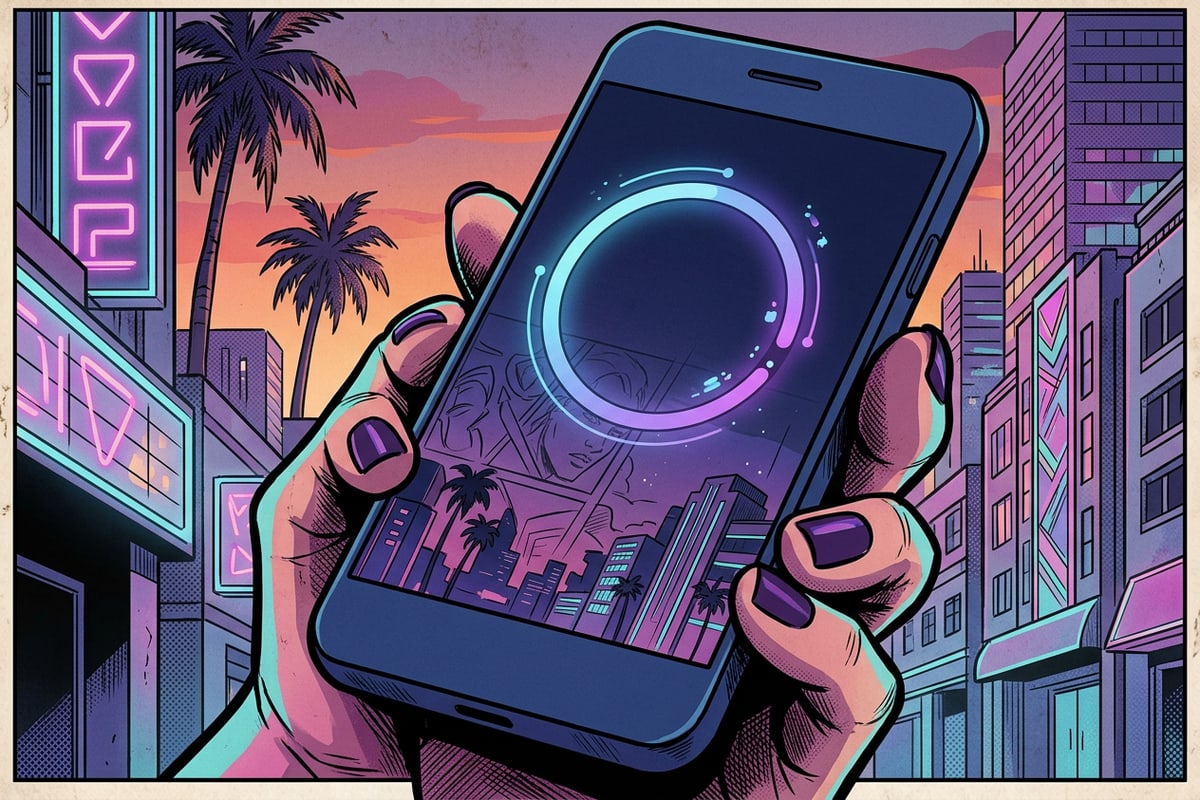
Step-by-Step: Transforming Your Video with CARA
A simple workflow for generating comic book videos on your iPhone.
Unlike complex desktop software that requires manual rotoscoping or node-based editing, CARA is designed for one-tap generation. The app handles all the heavy lifting in the cloud, meaning you do not need a powerful computer or advanced technical skills to create stunning visuals.
- Download and Open CARA
Install the CARA app from the Apple App Store. It is exclusively available for iOS devices like the iPhone and iPad.[1]
- Select the Video-2-Comic Feature
Navigate to the video stylization section and choose the comic book template. There are no complicated sliders, brushes, or manual editing tools to configure.
- Upload Your Clip
Choose a clear, well-lit video from your camera roll. The AI will analyze the motion and depth of the scene automatically.
- Wait for Processing
Allow the app approximately five minutes to render the video. This time is used to establish temporal consistency across every frame.[1]
- Save and Share
Once the high-quality AI output is ready, save the video directly to your device as a standard video file or share it straight to your social media channels.
Pro-Tips for the Best Comic Results
Optimize your original video's lighting and movement for the best AI output.
While the AI does the heavy lifting, the quality of your input video significantly impacts the final graphic novel art. Feeding the AI a clean, easy-to-read video ensures the stylized output remains crisp and visually striking.[2]
For example, a video of a person walking in a bright park provides the AI with clear edges, consistent lighting, and predictable motion, resulting in a flawless comic book transformation. Conversely, a video shot at a low-light concert with flashing lights and erratic camera movement will confuse the depth-aware generation, leading to a muddy and unstable final product.[5]
- Prioritize good lighting: AI models perform best when subjects are well-lit with clear contrast against the background.[2]
- Minimize motion blur: Fast, erratic camera movements can confuse the depth-aware generation, so keep your camera relatively steady.[5]
- Focus on clear subjects: Videos featuring one or two distinct subjects in the foreground tend to stylize much better than crowded, chaotic scenes.
Instant Speed vs. High-Fidelity Art
Knowing when to use deep processing versus rapid generation features.
In the world of AI generation, there is always a tradeoff between speed and quality. When you need a quick avatar update, instant photo processing tools are ideal. However, video requires a completely different computational approach to maintain visual integrity.[2]
CARA offers both ends of the spectrum to accommodate different creative needs. For instance, Nano Banana 2 Lite (CARA's high-speed photo generation mode) can generate stylized AI portraits in under two seconds. While this rapid processing is perfect for static images, applying that same instant methodology to video would destroy the temporal consistency.
The Video-2-Comic feature intentionally takes longer, using that deliberate five-minute processing time to elevate the output from a cheap, jittery filter to a premium, stable animation.
Choosing the Right Video for Comic Stylization
Not all videos are created equal when it comes to AI transformation. Learn how to select the perfect clip.
Because the AI relies on visual data to reconstruct your scene into a graphic novel format, the composition of your original clip matters immensely. Videos that rely heavily on subtle facial expressions or micro-movements might lose some nuance when translated into bold comic book ink lines.
Instead, opt for videos with dynamic, sweeping actions or strong poses. Activities like dancing, skateboarding, or even just a dramatic walk toward the camera translate beautifully into the comic medium. The AI excels at emphasizing these larger movements, turning everyday actions into cinematic, superhero-style moments.