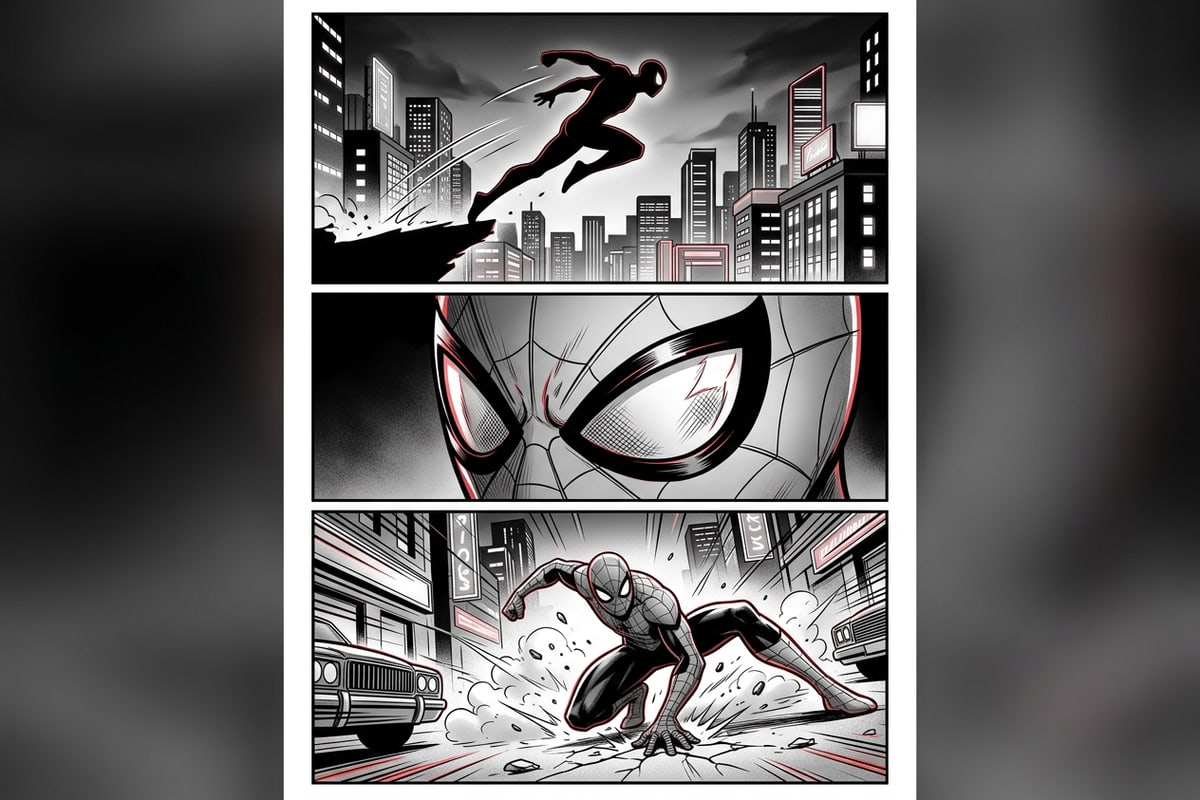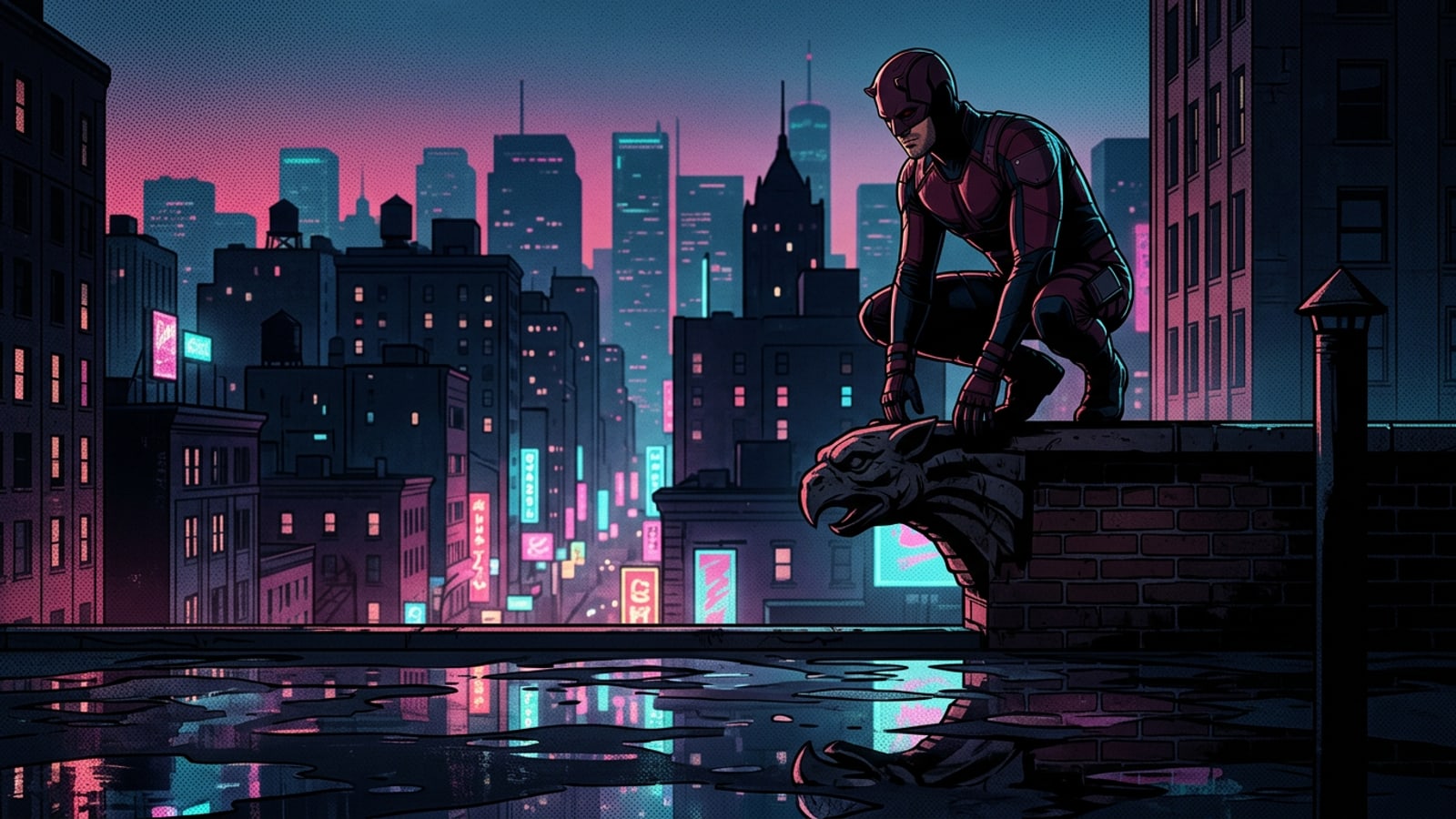
Spider-Man: Brand New Day Retrospective: How a Controversial 2008 Blueprint Redefined MCU Phase 6
Examine the narrative bridging the 2008 comic publishing experiment and the 2026 MCU theatrical release.
When Marvel Comics launched the 'Brand New Day' publishing initiative in January 2008 starting with Amazing Spider-Man #546, it represented one of the most drastic soft-reboots in superhero comic history.[2]
The storyline stripped away Peter Parker's long-standing marriage to Mary Jane Watson, restored his secret identity, and forced him back into an impoverished, street-level status quo.[2]
Nearly two decades later, the MCU adopts the title and core thematic focus for its July 2026 theatrical entry starring Tom Holland, marking a pivotal turning point for Phase 6 across global cinema markets like Cinépolis and Cinemex.[3]
- Comic Debut: Amazing Spider-Man #546 launched in early 2008 under a brand-new editorial structure.[2]
- Theatrical Debut: Scheduled for theatrical premiere in Mexico on July 29, 2026, followed by the US release on July 31, 2026.[3]
- Core Theme: A complete reset of Peter Parker's personal life that forces him back to neighborhood-level heroics.[1][3]
Comparative Matrix: 2008 Comic Arc vs. 2026 MCU Feature Film
Side-by-side comparative breakdown evaluating narrative catalysts, writer room structure, supporting cast resets, and villain lineups.
To understand why the 2026 film resonates differently with long-time readers, we must compare the narrative mechanics of both versions.[1][3]
The 2008 comic run relied on supernatural intervention via Mephisto to erase public knowledge of Spider-Man's identity and dissolve Peter's marriage, whereas the film uses Doctor Strange's tragic forgetting spell as the logical emotional consequence of multiverse disruption.[2][3]
- Narrative Reset Catalyst: Mephisto deal in the 2008 comics versus Doctor Strange's memory wipe at the conclusion of No Way Home in the MCU film.[2][3]
- Creative Structure: A rotating thrice-monthly 'Brain Trust' writers room in 2008 comics versus a unified directorial vision under Destin Daniel Cretton for the 2026 feature film.[1]
- Supporting Roster: Restoration of Harry Osborn and new civilian ties in comics versus an isolated Peter Parker building a standalone life in New York City.[2][3]
- Antagonist Focus: Introduction of new rogue figures like Mister Negative and Menace in comics alongside localized, ground-level criminal threats in the movie.[1][3]
The 2008 Brain Trust Experiment: Why Brand New Day Was Ahead of Its Time
Examine the thrice-monthly publishing risk, Dan Slott's narrative direction, and the street-level focus introduced in ASM #546.
In 2008, Marvel Comics took a huge commercial gamble by publishing The Amazing Spider-Man three times per month.[1]
To maintain this relentless pace, Marvel assembled a 'Brain Trust' writer group featuring Dan Slott, Marc Guggenheim, Bob Gale, and Zeb Wells.[1]
This team systematically rebuilt Spider-Man's world across issues #546 through #647, introducing vital lore elements like Martin Li's F.E.A.S.T. shelter and a whole new roster of villains.[1][2]
- Thrice-Monthly Publishing: Delivered 102 issues in under three years, creating rapid story momentum.[1][2]
- Worldbuilding Legacy: Established F.E.A.S.T., which later became a core pillar in video games and the MCU.[1]
- Rogue Expansion: Created fresh antagonists including Mister Negative, Freak, and Overdrive to replace worn-out tropes.[1]
How the 2026 Movie Fixes the Comic's Biggest Stumbling Block
Analyze why Peter Parker's isolation feels earned in the MCU film compared to the controversial editorial mandate of 2008.
The primary criticism aimed at the 2008 comic reboot was not the street-level stories themselves, but the heavy-handed editorial decision in 'One More Day' that forced the status quo change.[2]
Fans felt that erasing Peter and Mary Jane's marriage via a devil's bargain undermined decades of character growth.[2]
The 2026 MCU film avoids this trap by framing Peter's isolation as a voluntary, courageous sacrifice.[3]
Because Peter chose to let MJ and Ned forget him to save the fabric of reality, his low-tech, solitary apartment life feels like a noble consequence rather than a forced editorial reset.[3]
- Character Agency: Peter actively chooses loss in the MCU film, whereas comic Peter submitted to a magical contract.[2][3]
- Narrative Continuity: The film keeps physical history intact while resetting personal relationships.[1][3]
- Emotional Payoff: The reset feels earned through tragedy rather than artificial executive mandate.[2][3]
Creator Workflow: Turn Your Premiere Reaction Clips into Classic Comic Spreads on iPhone
Step-by-step tutorial to convert high-fps mobile theater reaction video into multi-panel comic book layouts.
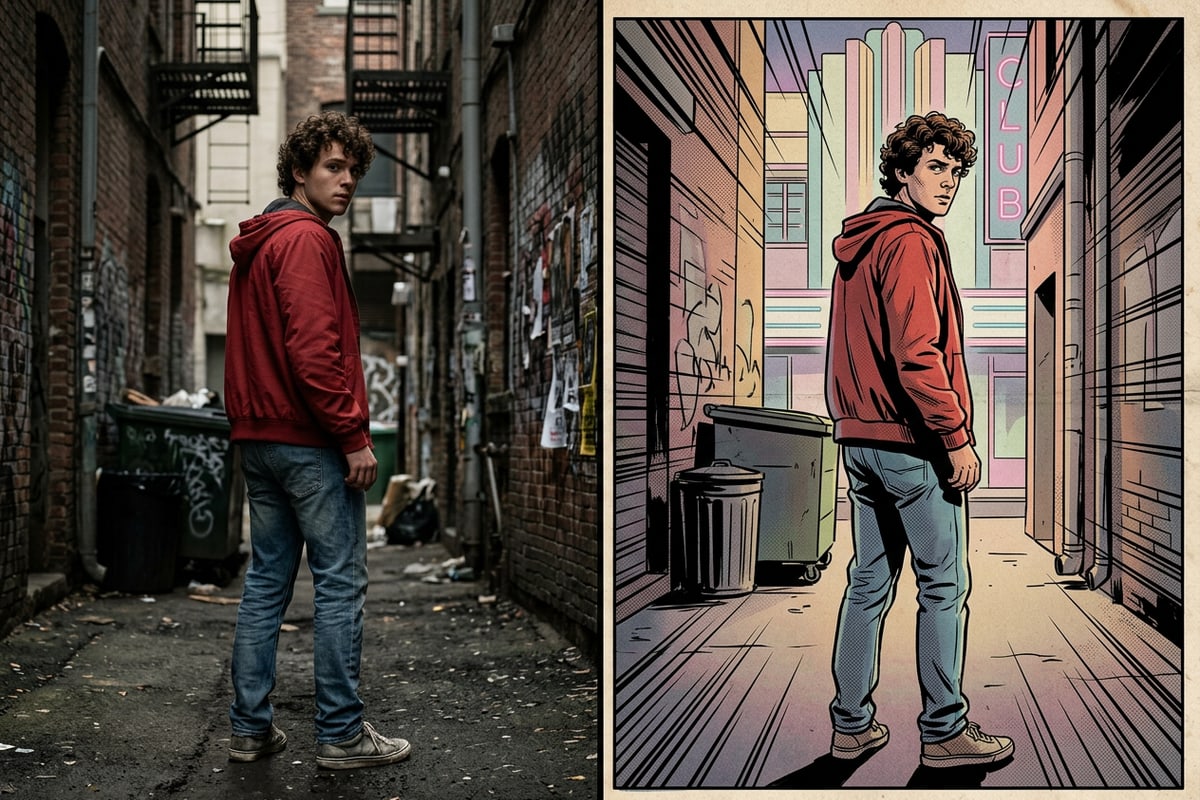
Content creators capturing fan reactions outside Cinépolis or Cinemex screenings can convert raw mobile video clips into striking graphic novel panels without manual drawing skills.[3]
Using CARA on iOS, the Video to Manga feature isolates key action moments and formats them automatically into classic multi-panel spreads.
- Record High-FPS Premiere Footage
Capture crisp video of your theater reaction or cosplay showcase in well-lit conditions on your iPhone.
- Import Clip into Video to Manga
Open CARA on iOS, select the Video to Manga tool, and upload your supported video clip.
- Select Key Action Frames
Allow the automated layout tool to detect peak motion frames or manually choose key expressive moments.
- Generate Multi-Panel Comic Page
Process the selection to convert live video keyframes into a monochrome or stylized graphic novel layout ready for sharing.