Key Analytical Findings
This report compares verified Cara pricing tiers against competitor billing models and analyzes global consumer protection statutes across the EU, Brazil, South Korea, and Saudi Arabia to evaluate the impact of transparent monetization on user retention. The analysis synthesizes market growth reports, competitor terms of service, and verified product capabilities to provide a comprehensive framework for understanding AI application costs.
Compute Transparency as a Trust Vector
Explicitly linking points to cloud computing power transforms credits from a frustrating paywall into a logical utility bill.[1][2]
- Evidence chain
- Competitor users report high frustration when credits evaporate unpredictably, whereas Cara's resolution-based point system provides a deterministic cost structure aligned with industry standards for variable task complexity.
- Why it matters
- Users who understand that they are paying for server time are less likely to churn and more likely to trust the platform's billing practices, leading to higher long-term engagement.
- Limit
- Highly technical explanations of GPU inference costs may still alienate casual users who expect mobile applications to be entirely free.
Annual Tiers as Churn Insurance
Annual subscriptions align with high-retention industry leaders rather than high-churn weekly models.[3][5][8]
- Evidence chain
- Market data shows platforms like Meitu drive significant retention and lifetime value through annual subscriptions, contrasting sharply with the negative reviews and high churn associated with aggressive weekly billing models seen in other applications.
- Why it matters
- Positioning annual plans as a reliable, cost-effective option provides peace of mind for power users and stabilizes the application's user base against short-term volatility.
- Limit
- Annual commitments require high initial user conviction, which can be difficult to achieve without a robust, transparent free trial experience.
The Decoupling Effect of Point Packs
Proprietary points decouple the psychological pain of spending fiat currency from the creative act.[1][4]
- Evidence chain
- Once a user purchases a bulk pack, they spend abstracted tokens, reducing transaction friction during intensive editing sessions and allowing for more uninhibited creative experimentation.
- Why it matters
- Point packs are the most effective monetization strategy for high-intensity, project-based usage where users need flexibility without the pressure of recurring charges.
- Limit
- This model requires clear fiat-to-token conversion disclosures to comply with global electronic commerce regulations and maintain consumer trust.
This analysis relies on publicly available pricing data, competitor terms of service, and consumer protection statutes as of mid-2026. App store pricing, regional tax laws, and competitor feature sets are subject to rapid change and may vary by territory.
The Cloud Reality: Why AI Photo Editing Isn't Free
Understanding the backend infrastructure costs that make point systems necessary for generative AI applications.
Generative AI has fundamentally changed how we interact with creative software, shifting the burden of processing from your local device to remote servers. When you use the Cara AI Photo Editor, you are not just applying a static filter that runs locally on your smartphone's processor. Instead, features like Conversational Photo Editing and Text-to-Image Generation require massive amounts of cloud computing power to interpret your prompts and synthesize entirely new pixels.[1]
Every time you submit a prompt or request a complex edit, a remote server processes the request, generating a unique image from scratch. This infrastructure paradigm means that every single action incurs a variable GPU inference cost for the developer. Unlike traditional software-as-a-service models where costs are relatively fixed regardless of how much you use the app, generative AI costs scale directly with user activity.[2]
Understanding this backend reality helps explain why modern AI applications use point systems and subscriptions rather than offering unlimited free access. If an AI photo editor were completely free without limits, the server costs would quickly bankrupt the developers. By implementing a points system, platforms ensure that the cost of compute power is distributed fairly based on actual usage, allowing the service to remain sustainable while offering high-quality outputs.[2]
Points vs. Subscriptions: Decoding the Cara Ecosystem
A breakdown of the two primary monetization paths available to Cara users.
Cara offers two primary methods for accessing its premium generative features, catering to different types of creators and usage patterns. The first method is the point pack system, which allows users to purchase credits a la carte. Pricing for these packs ranges from $14.99 for 5,000 credits up to $49.99 for 20,000 credits, providing flexibility for users who do not want to commit to a recurring payment.[1]
This point pack model is ideal for users who need high-intensity, project-based usage. For example, if you are working on a specific creative campaign and need to generate dozens of images over a weekend, a bulk point pack provides the necessary resources without tying you into a long-term contract. The points remain in your account, ready to be deployed whenever inspiration strikes.[1]
The second method involves subscription tiers, specifically the Plus and Pro Yearly plans. These annual subscriptions are designed for power users who want a predictable baseline of daily creative capacity alongside other premium benefits. Subscriptions often include daily free quotas for specific features, making them highly cost-effective for users who open the app every day to edit photos or generate new content for social media.[1]
The Decoupling Effect of Digital Tokens
How point packs reduce transaction friction and encourage creative experimentation.
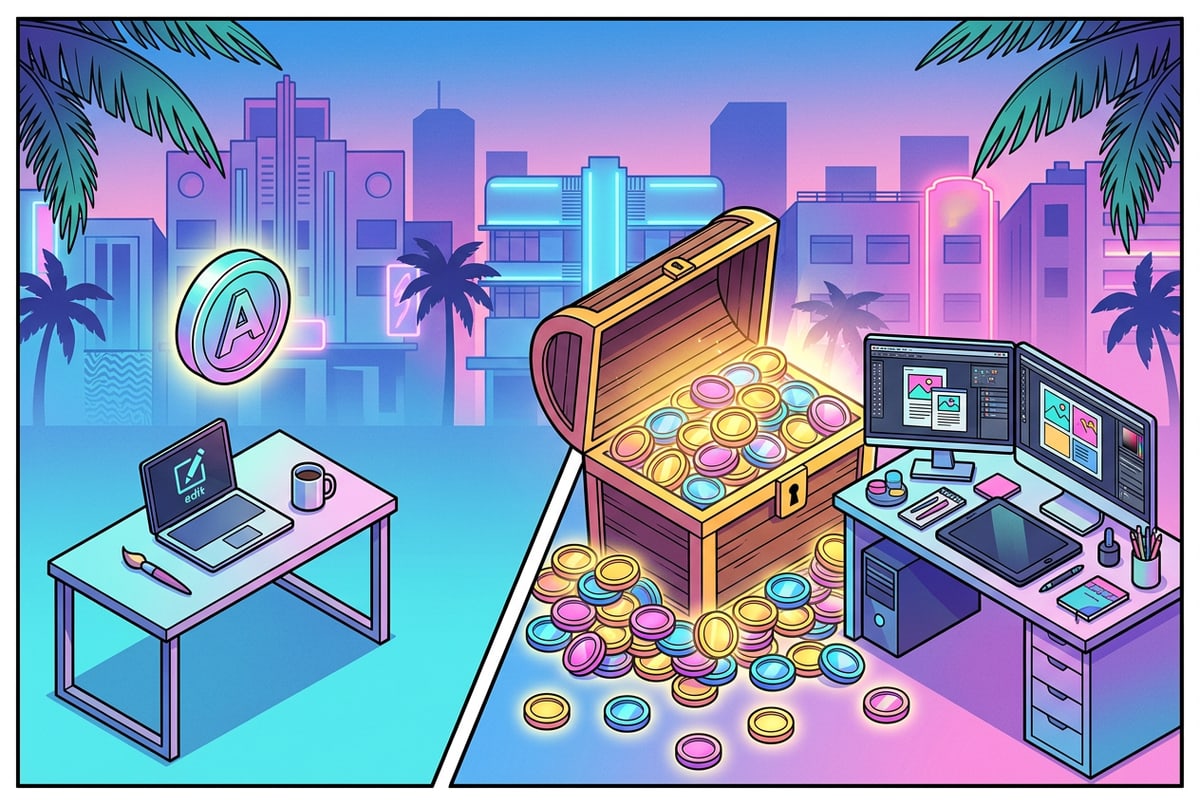
The use of proprietary points in applications like Cara serves a specific psychological and practical purpose known as the decoupling effect. When you pay for a service directly with fiat currency every time you use it, the psychological pain of spending can inhibit your willingness to experiment. Once a user buys a bulk pack of points, they spend abstracted digital credits rather than dollars or euros for each individual edit.[1]
This abstraction significantly reduces the transaction friction and cognitive load during the creative process. For example, purchasing the $49.99 tier normalizes the cost to approximately a fraction of a cent per point. When the cost per action is reduced to such a micro-level, creators feel more freedom to experiment with complex features like Video to Manga or the AI Eraser without feeling like they are being nickel-and-dimed for every single adjustment.[1][3]
Furthermore, this system allows developers to offer granular pricing for different features. Instead of charging a flat fee for an app that some users might only use for basic background removal while others use it for intensive 4K image generation, the point system ensures that users only pay for the exact amount of computational weight their specific workflow demands.[2]
The Resolution Tax: Why 4K Costs More Points
A detailed quantitative breakdown of how output resolution and task complexity dictate point consumption.
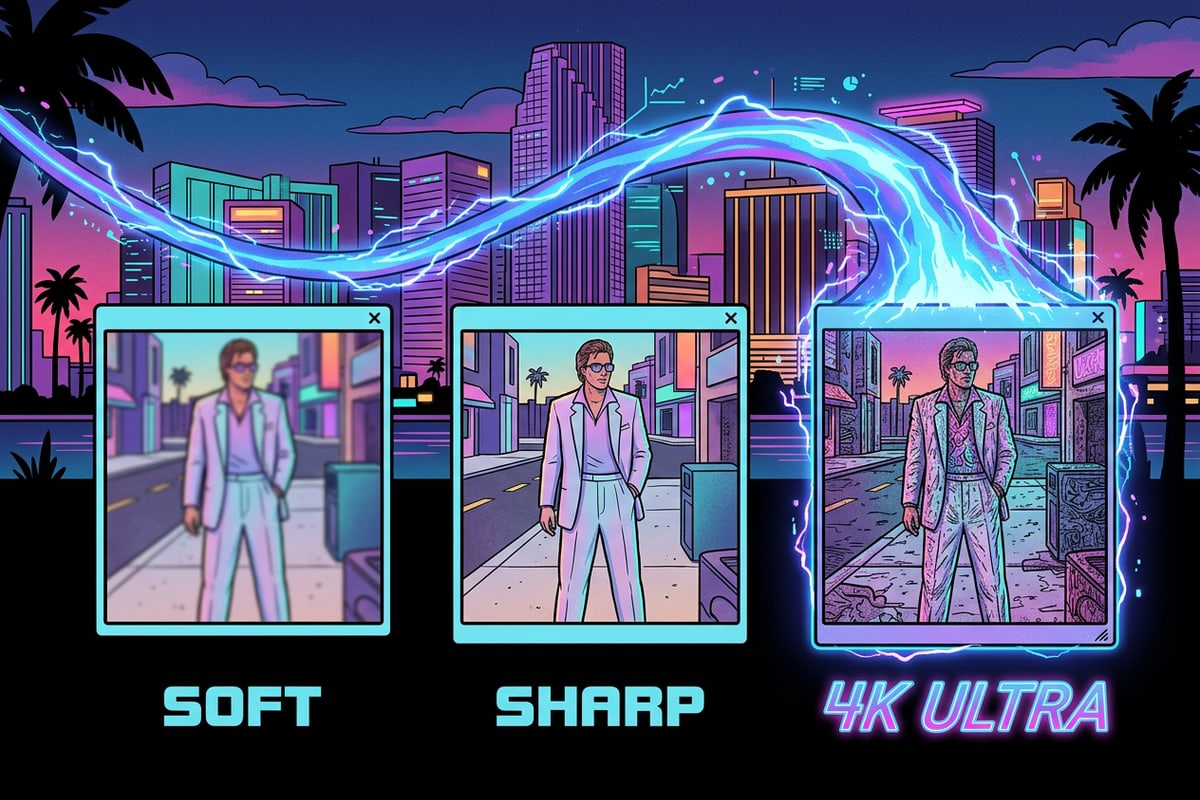
One of the most common points of confusion in AI photo editing is why different tasks consume different amounts of credits. This is driven by an industry standard for variable credit costs based on resolution and task complexity. Generating a standard 1K image requires significantly less compute power than rendering a highly detailed 4K image, and the pricing structure must reflect this reality to remain sustainable.[2]
In the Cara ecosystem, opting for a higher resolution output incurs what can be described as a 'resolution tax'. This deterministic cost structure ensures that users only pay for the exact amount of server processing power they consume. To provide clarity, Cara's point consumption is strictly categorized based on the AI model utilized and the final output size requested by the user.[1][2]
Understanding these specific costs allows you to budget your points effectively. For instance, casual social media posts rarely require 4K resolution, meaning you can conserve your points by sticking to standard outputs. Conversely, if you are generating artwork for a physical print, the investment in a 4K generation is justified by the necessary increase in pixel density and detail.
- Conversational Photo Editing (Cara Agent): Generating an image edit through the chat interface consumes 30 points, while text-based responses consume only 5 points, reflecting the significantly lower compute required for text generation.
- Standard Text-to-Image Generation (1K): Using the GPT Image 2 model for a standard 1K resolution output costs 150 points, serving as the baseline for most casual social media posts.
- High-Definition Generation (2K): Stepping up to a 2K resolution increases the compute load, bringing the cost to 400 points per generation.
- Ultra-High-Definition Generation (4K): For professional-grade detail, a 4K output demands maximum server resources, resulting in an 800-point cost—a direct reflection of the resolution tax.
The Dark Pattern Paradigm and Industry Churn
Comparing Cara's transparent annual models to the aggressive weekly billing seen in competitor apps.
The generative AI market has seen significant user frustration due to confusing hybrid pricing models. Some competitors utilize aggressive weekly billing cycles and obfuscated free trials to inflate short-term revenue. This strategy, often referred to as a subscription trap, relies on users forgetting to cancel their trials, resulting in unexpected recurring charges that drain their accounts week after week.[5][8]
This dark pattern paradigm inevitably leads to high churn rates and brand toxicity. Users who feel tricked into paying for a service are highly likely to leave negative reviews, demand refunds, and delete the application entirely. While this might generate a temporary spike in revenue for the developer, it destroys long-term trust and makes it incredibly difficult to build a sustainable, loyal user base.[5]
In contrast, industry data shows that platforms focusing on stable, annual subscription models drive higher retention and customer lifetime value. For instance, platforms like Meitu have successfully built subscriber bases exceeding 15 million users by prioritizing transparent, long-term value over predatory weekly charges. By offering clear annual plans like Plus and Pro, Cara aligns itself with this sustainable approach, providing users with peace of mind rather than billing anxiety.[1][3]
Avoiding the Subscription Trap: Your Global Refund Rights
Actionable advice on managing subscriptions and understanding regional consumer protections.
Navigating free trials requires an understanding of your regional consumer protection rights. Many users accidentally convert from a free trial to a paid subscription because they forget to cancel in time, or because the cancellation process is intentionally difficult to find. Fortunately, global electronic commerce laws are evolving rapidly to protect consumers from these deceptive practices.[4]
For example, recent revisions to South Korea's Electronic Commerce Act have increased penalties for deceptive subscription practices, forcing companies to be more transparent about billing cycles. Similarly, regions like the EU and Brazil have strict statutes regarding digital refunds and mandatory withdrawal rights, ensuring that consumers have a grace period to cancel digital purchases if they are unsatisfied.[4][10][11]
Regardless of where you live, the most important rule of managing mobile subscriptions is understanding how the App Store ecosystem works. Subscriptions managed through iOS must be canceled directly within your Apple ID settings. Simply deleting the app from your home screen does not communicate your intent to cancel to Apple, and the billing cycle will continue until you officially terminate the agreement in your device settings.[1]
- Review Trial Terms
Always read the fine print before accepting a free trial to understand exactly when the billing cycle begins and how much you will be charged upon conversion.[8]
- Set a Cancellation Alarm
Set a reminder on your phone for at least 24 hours before the trial ends to evaluate if you want to keep the service, as Apple often processes renewals slightly before the exact expiration time.
- Cancel via App Store
Navigate to your Apple ID settings, tap 'Subscriptions', and officially cancel the service; simply deleting the app from your home screen will not stop the billing.[1]
Decision Framework: Which Plan Fits Your Workflow?
A comprehensive, quantitative guide to help users choose between point packs and subscriptions based on their creative habits.
Choosing the right monetization path in Cara depends entirely on your creative habits and how frequently you rely on generative AI. To make an informed decision, you must calculate your estimated monthly output volume and compare it against the normalized cost of points versus the benefits of an annual subscription. A quantitative approach prevents overspending and ensures you always have the compute power you need.[1]
Consider the 'Weekend Creator' persona: a casual user who occasionally wants to use the Remove Background tool or generate a few AI portraits for a specific event. For this user, a one-time $14.99 point pack offers the best value. This tier provides 5,000 credits. If this user primarily generates standard 1K images at 150 points each, they can produce over 30 images without any recurring financial commitment. The points sit in their account, ready to be used at their own pace without the pressure of a ticking subscription clock.[1]
Next, consider the 'Power User' persona: someone executing complex, multi-step edits over a concentrated period. This user benefits most from the $49.99 point pack, which yields 20,000 credits. By purchasing in bulk, the normalized cost drops to approximately $0.0025 per point. This makes expensive operations, like 4K generations (800 points) or extensive Video to Manga conversions, significantly more economical on a per-action basis.[1]
Finally, there is the 'Daily Social Media Manager' persona. If you rely on daily Conversational Photo Editing and frequent AI generations to maintain an active online presence, a Plus or Pro Yearly subscription provides the necessary consistency. Subscriptions offer daily free quotas—such as 3 daily free Agent uses on the Plus tier and 5 on the Pro tier—which reset every 24 hours. By evaluating your daily workflow against these quotas, you can secure a predictable baseline of creative capacity that far outweighs the value of buying point packs a la carte.[1]
Maximizing Value with Free Features
How to use Cara's free tier to test capabilities before committing to a paid plan.
It is also important to remember that Cara is free to download and offers limited free generations to help you explore the interface. Before committing to a large point pack or an annual subscription, you should take full advantage of these free opportunities to test the core capabilities and ensure the app meets your specific creative needs.[1]
Experiment with the Photo Collage Maker or try a basic Text-to-Image prompt to understand how the AI interprets your instructions. Testing the Conversational Photo Editing feature during the free phase allows you to gauge the quality of the cloud processing and the accuracy of the AI Agent's responses. This hands-on experience is invaluable for setting realistic expectations regarding output quality.[1]
By familiarizing yourself with the toolset during the free phase, you can make a much more informed decision about which premium tier will best support your long-term creative goals. If you find yourself constantly hitting the daily free limits, it is a clear indicator that upgrading to a Plus or Pro subscription, or purchasing a bulk point pack, will be a worthwhile investment for your workflow.[1]
The Future of AI Billing Transparency
Concluding thoughts on how transparent monetization builds long-term trust in the generative AI space.
As generative AI continues to evolve, the conversation around monetization will increasingly focus on transparency and user trust. The era of completely free, unlimited photo editing apps is ending, replaced by a reality where cloud compute power is a tangible commodity. Developers who attempt to hide these costs behind confusing weekly subscriptions or obfuscated point systems will ultimately lose the trust of their user base.[5]
By embracing a transparent model that clearly links point consumption to resolution and task complexity, platforms can educate their users rather than exploit them. When you understand that an 800-point 4K image generation is a direct reflection of the server resources required to render it, the transaction transforms from a frustrating paywall into a fair exchange of value. This transparency is the foundation of a sustainable creative ecosystem.[2]