The Dallas Turning Point: France 0-2 Spain
An overview of the semi-final match result and the tactical collapse that led to France's exit.
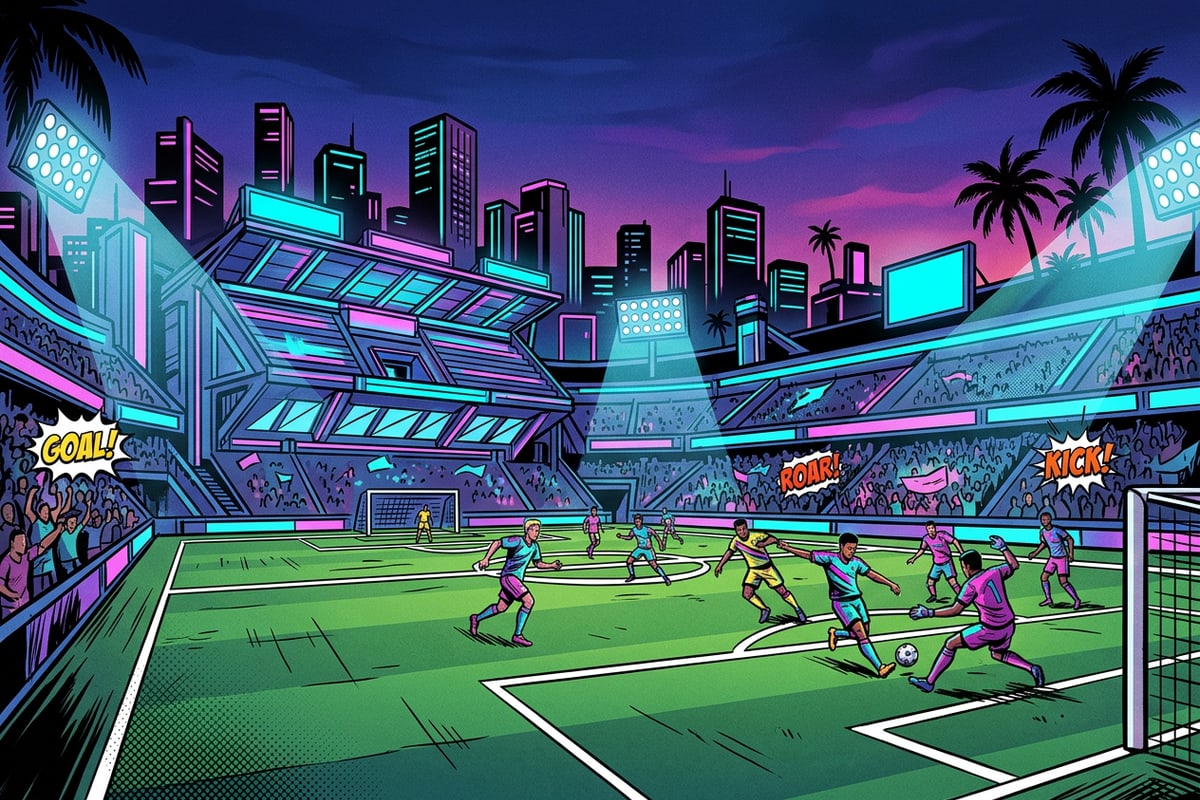
On July 14, 2026, the French national team's pragmatic fortress finally crumbled under the vibrant lights of Dallas Stadium. In a highly anticipated semi-final clash, France suffered a decisive 0-2 loss to a technically superior and relentlessly proactive Spanish side. This defeat was not merely a loss on the scoreboard; it represented a fundamental collapse of the tactical philosophy that had defined French football for over a decade. For a deeper dive into how Spain dismantled the French defense, you can explore our [2026 World Cup semi-final tactical breakdown](the-visual-language-of-victory-spain-silences-france-in-the-2026-world-cup-semi-final-ko.html).[1]
The underlying metrics of the match paint a stark picture of France's offensive bankruptcy. Throughout the ninety minutes, the team managed a dismal 0.3 Expected Goals (xG), marking their lowest offensive output in a World Cup match since 1966. Instead of adapting to Spain's high-pressing rhythm, the French setup remained rigidly risk-averse, prioritizing defensive solidity over any meaningful attempt to control the midfield or create dynamic scoring opportunities.[1]
The defining moment of this tactical passivity occurred when Adrien Rabiot was substituted early in the match. Driven by a fear of a potential yellow card rather than tactical necessity, this risk-averse decision immediately surrendered whatever remaining midfield control France possessed. Spain capitalized on this vacuum, dictating the tempo with ease and ultimately securing their second goal, sealing France's fate and sparking immediate criticism in the post-match press zone.[1][3]
The End of a 14-Year Cycle: Legacy vs. Pragmatism
Evaluating the 'Gagnant' paradox, historical achievements, and the dissolution of Deschamps' bond with the squad.
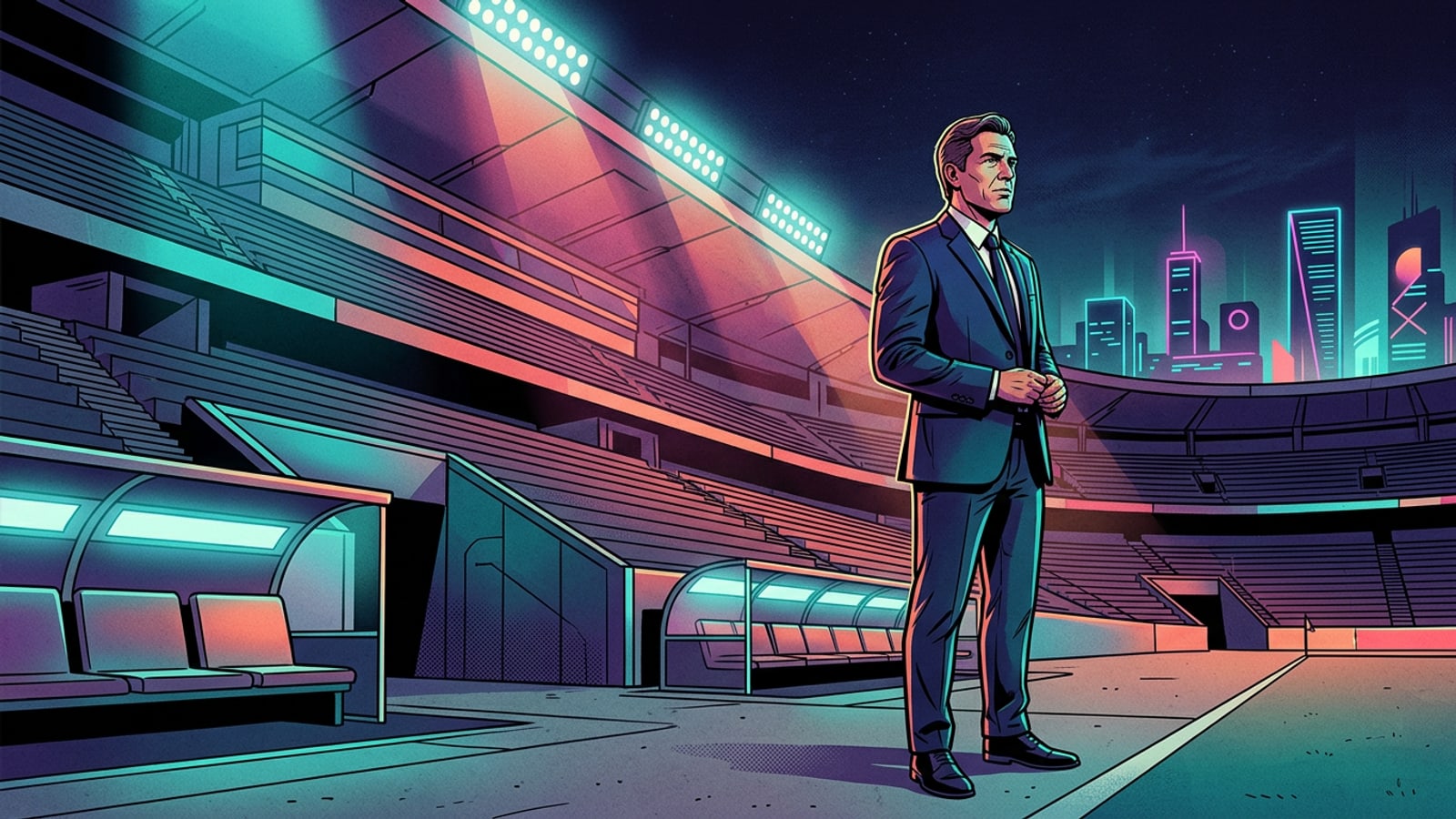
Didier Deschamps concludes his 14-year tenure as the most statistically successful coach in French history, holding the record for the most World Cup wins. His legacy is deeply anchored in the triumphs of the 2018 and 2022 campaigns. In 2018, his pragmatic, counter-attacking blueprint secured the ultimate prize in Russia, perfectly utilizing a young Kylian Mbappé to devastate opponents in transition. Four years later in Qatar, that same functional resilience guided a heavily injured squad to a dramatic final, proving his methods could consistently navigate the grueling nature of tournament football.[1][2][3]
However, his reign has always been haunted by the 'Gagnant' paradox: achieving undeniable results through a functional, often unloved style of play that sacrifices aesthetic beauty for ruthless efficiency. While the upcoming third-place playoff will serve as his literal final match on the touchline, the semi-final defeat in Dallas stands as the definitive ideological end of his era. The tactical methods that once guaranteed trophies failed to evolve with modern high-pressing trends, rendering his approach obsolete against elite, proactive opposition.[1][2][3]
In modern football, a manager's authority is increasingly tied to a clear tactical identity rather than just past trophies. The 2026 semi-final highlighted this brutal reality, as the previously unbreakable emotional bond between Deschamps and his squad appeared to fracture. Public critiques from key players regarding the team's tactical setup signaled that the locker room had lost faith in the pragmatic model, paving the way for a necessary cultural reset.[2][3]
The Succession: From Water-Carrier to Champagne Football
The confirmed transition to Zinedine Zidane and the expected tactical evolution.
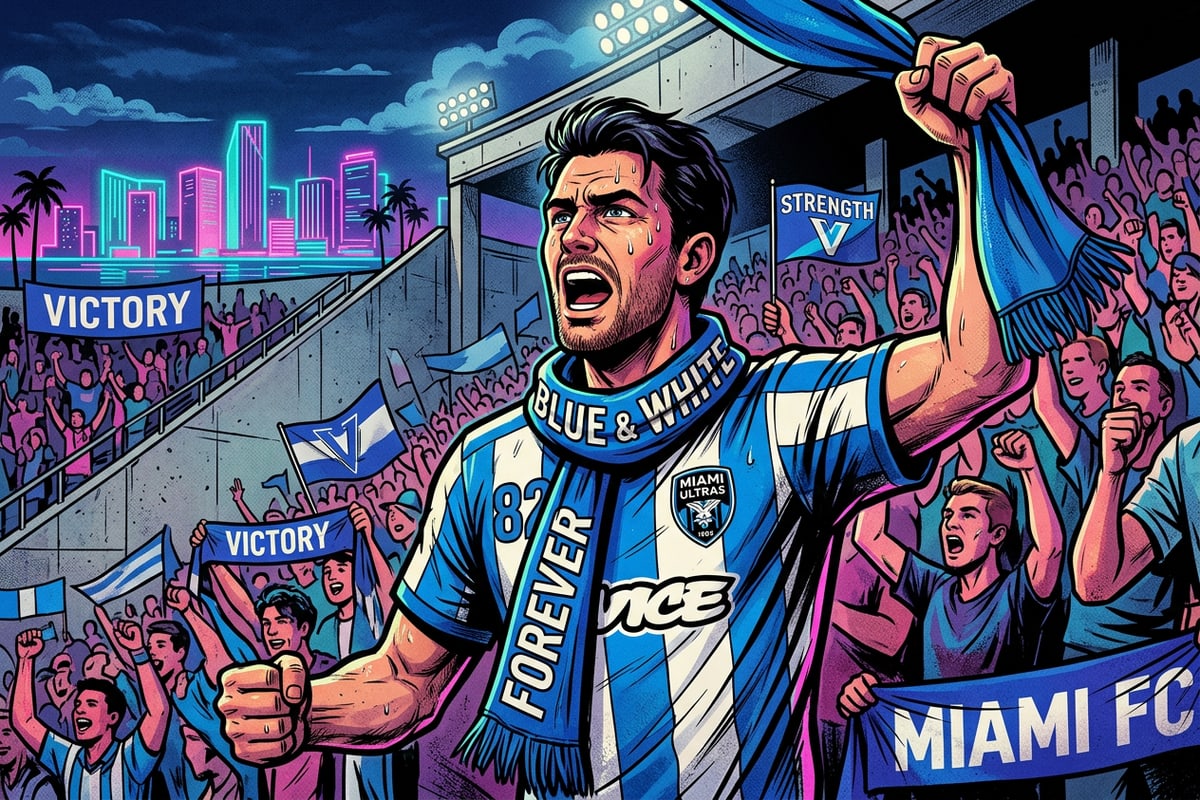
The cultural permission to prioritize aesthetics over pure efficiency has finally arrived for the French Football Federation. Following the semi-final exit, it was officially confirmed that Zinedine Zidane will succeed Deschamps as the manager of the French National Team. This transition is more than just a change in personnel; it is a philosophical revolution that fans and analysts have been demanding for years.[2][3]
Zidane's appointment signals a definitive departure from the pragmatic era and a highly anticipated return to 'Champagne Football.' Characterized by a more expansive, possession-based approach, this style aims to maximize the technical brilliance and creative freedom of France's current generation. Just as cultural icons are embracing new aesthetic eras—much like the shifts seen in our coverage of [Timothée Chalamet's 2026 aesthetic evolution](timothee-chalamet-s-finality-era-from-dune-3-to-the-2026-world-cup-ko.html)—the French national team is ready to trade functionalism for flair.[2][3]
Redefining the Aesthetics of a Loss: A CARA Workflow
How to use the CARA app to transform match memories into stylized digital art.
Processing a historic defeat often requires a shift in perspective, transforming disappointment into a celebration of the journey. For digital creators and football enthusiasts, the CARA app offers a unique way to reframe these 2026 World Cup memories. Available exclusively on iOS, CARA uses cloud-based AI to transform standard videos into striking visual art without the need for complex manual editing tools, sliders, or typography features.
Instead of dwelling on the 0-2 scoreboard, fans can use the app's Video-2-Comic feature to turn their own watch party reactions or stadium atmosphere clips into vibrant, comic-style artwork. The process is entirely automated through one-tap generation, making it accessible even if you have zero photo editing skills. If you are planning to gather for the tournament's conclusion, check out our guide on hosting a [World Cup final watch party and creating comic strip reels](world-cup-final-watch-party-turn-your-goal-celebration-into-a-comic-strip-ko.html) to capture the moment perfectly.
- Download CARA on iOS
Install the CARA app from the App Store on your iPhone or iPad to access the AI template library.
- Select Video-2-Comic
Choose the Video-2-Comic feature from the main menu. Remember, CARA focuses purely on visual transformation, so there are no manual timeline editing tools to navigate.
- Upload Your Clip
Select a supported video clip, such as a fan reaction from the semi-final watch party. Ensure the clip does not contain copyrighted broadcast footage to avoid safety flags.
- Generate and Share
Tap to generate. The cloud AI will process the video in about five minutes, delivering a stylized comic-book result ready to be saved to your camera roll or shared directly to social media.