Key Analytical Findings
This analysis synthesizes global solar capacity milestones, consumer optimism data across 14 markets, biophilic interior trends, K-Beauty skin texture movements, and creative search metrics from early 2026. The findings normalize visual aesthetic movements against broader macroeconomic and social attitudes towards technology.
The Shift from 'Glass Skin' to Soft 'Cloudglow' Textures
The hyper-shiny, plastic 'glass skin' look that dominated AI portrait generation has yielded to 'Cloudglow'—a diffused, velvety radiance that emphasizes natural skin texture and amber sunlight.[1][4][10]
- สายโซ่หลักฐาน
- K-Beauty market shifts in early 2026 showed a clear decline in high-gloss formulations alongside interior sanctuary research emphasizing natural light diffusion and a 48% surge in Solarpunk search terms in digital asset markets.
- เหตุใดจึงสำคัญ
- AI prompt engineers must explicitly replace high-shine and glossy descriptors with soft focus, ambient diffusion, and matte warmth tokens to avoid synthetic plastic artifacts.
- ข้อจำกัด
- Base AI models still lean toward over-smoothing skin, requiring structured negative prompts to preserve realistic porous detail.
Cultural Localization: 'Neo-Mori' and Techno-Animism in Japanese Solarpunk
While Western Solarpunk emphasizes massive urban re-greening infrastructure, Japanese creators adopt a personal, cozy scale combining 'Neo-Mori' (Modern Forest Girl) textiles with brass solar filigree.[2][7][11]
- สายโซ่หลักฐาน
- Global optimism studies and biophilic design reports highlight elevated technology acceptance in Asian markets, where technology is integrated as a harmonious living partner alongside indoor sanctuary aesthetics rather than an industrial conqueror.
- เหตุใดจึงสำคัญ
- Visual styling for Japanese audiences should emphasize organic linen, woven bamboo, terracotta tones, and subtle solar circuitry integrated into clothing accessories.
- ข้อจำกัด
- Generative models frequently mistake Japanese traditional elements for neon-infused cyberpunk unless strict negative prompts prohibit neon and dark asphalt.
Superiority of Conversational AI Refinement Over Single-Shot Generation
Single-shot text-to-image outputs often include unintended mechanical clutter or synthetic lighting that disrupts cozy eco-utopian visual harmony.[1][3][8]
- สายโซ่หลักฐาน
- Analysis of creator workflows and player adoption data from cozy eco-simulators demonstrates that multi-stage editing—generating a core subject and iteratively polishing artifacts—yields significantly higher visual coherence and creator satisfaction.
- เหตุใดจึงสำคัญ
- Creators achieve far higher artistic quality by using text-to-image for base composition, followed by natural-language conversational AI edits and targeted object removal.
- ข้อจำกัด
- Iterative cloud processing requires a stable internet connection and can introduce slight generation variations across editing steps.
This report examines visual trend adoption and prompt engineering techniques as of mid-2026. Generative AI model behaviors evolve rapidly, and prompt responses may vary across underlying image generation architectures.
ソーラーパンクとは?2026年に注目される理由とエコ・オプティミズム
ソーラーパンクは、再生可能エネルギー、バイオフィリック建築、温かい太陽光を組み合わせ、未来への希望に満ちた心地よいビジョンを提示するビジュアル・文化的ムーブメントです。
For over two decades, futurist digital art was dominated by the cyberpunk aesthetic—dark rainy streets, harsh neon lighting, towering concrete megastructures, and dystopian social alienation. However, 2026 marks a decisive cultural turning point. Driven by widespread digital fatigue and climate anxiety, creators and audiences worldwide are embracing 'Solarpunk' (Solarpunk)—a movement rooted in eco-optimism, biophilic integration, and warm, human-centric technology.[1][2][7]
The rapid social rise of Solarpunk is backed by real-world infrastructure milestones. As global cumulative solar capacity surpassed 3 TW in 2026, renewable energy lost its speculative sci-fi status and became an intimate visual fixture of modern daily life. In print-on-demand and digital visual asset markets, searches for Solarpunk aesthetics surged by 48%, reflecting a growing demand for images that feel hopeful, warm, and sustainable.[1][5]
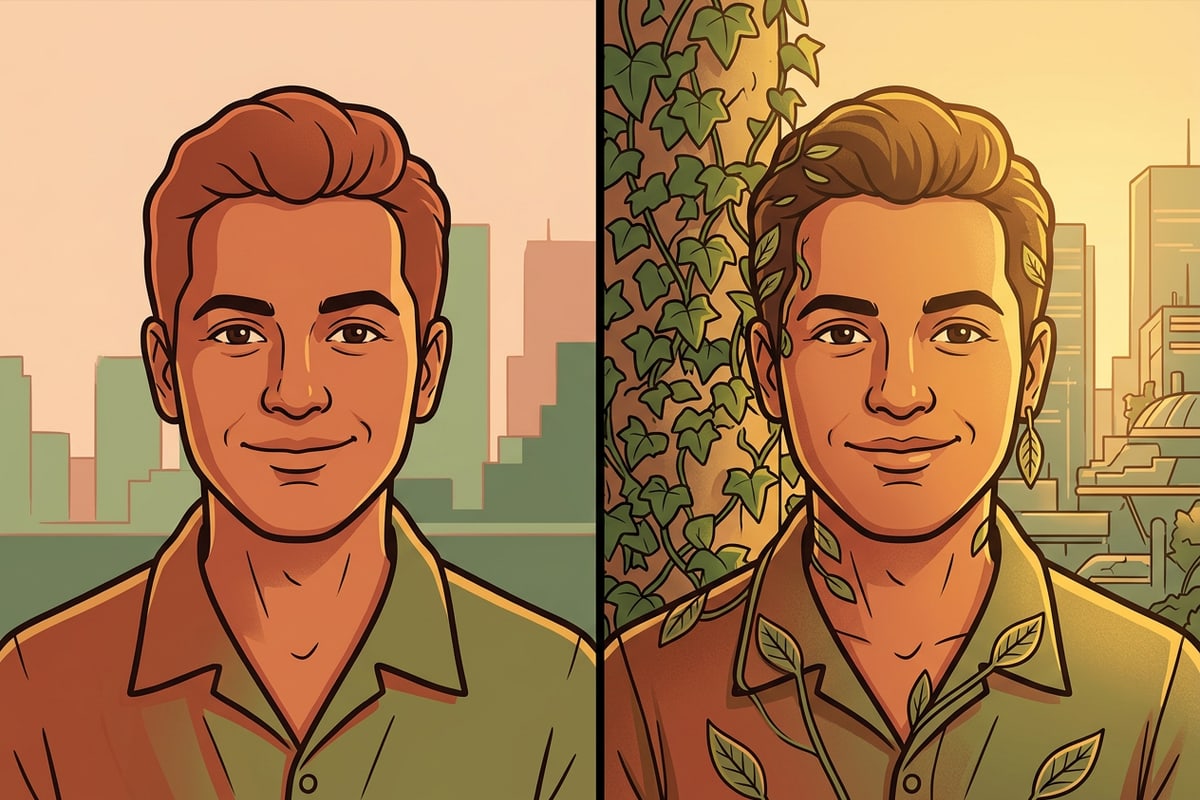
Unlike the cold sterility of traditional sci-fi or the gritty pessimism of cyberpunk, Solarpunk visual stories center on harmony. Technology is not an overpowering corporate force; instead, it manifests as delicate brass solar leaf filigree, transparent photovoltaic glass, and biophilic sanctuaries intertwined with lush climbing ivy, moss-covered terracotta, and sun-drenched arbors.[2][10][11]
- Visual Palette: Warm amber sunlight, moss green, terracotta, warm brass, and golden hour diffusion.
- Core Philosophy: Practical eco-optimism where technology serves biological life rather than replacing it.[2][7]
- Key Textures: Woven linen, aged wood, solar glass, climbing foliage, and soft matte skin.[4][10]
日本市場の美学:Neo-Mori、テクノ・アニミズム、そして「クラウドグロウ」肌
グローバルなソーラーパンク思想が、日本の伝統的な自然調和観や美容トレンドとどう融合しているかを解説します。
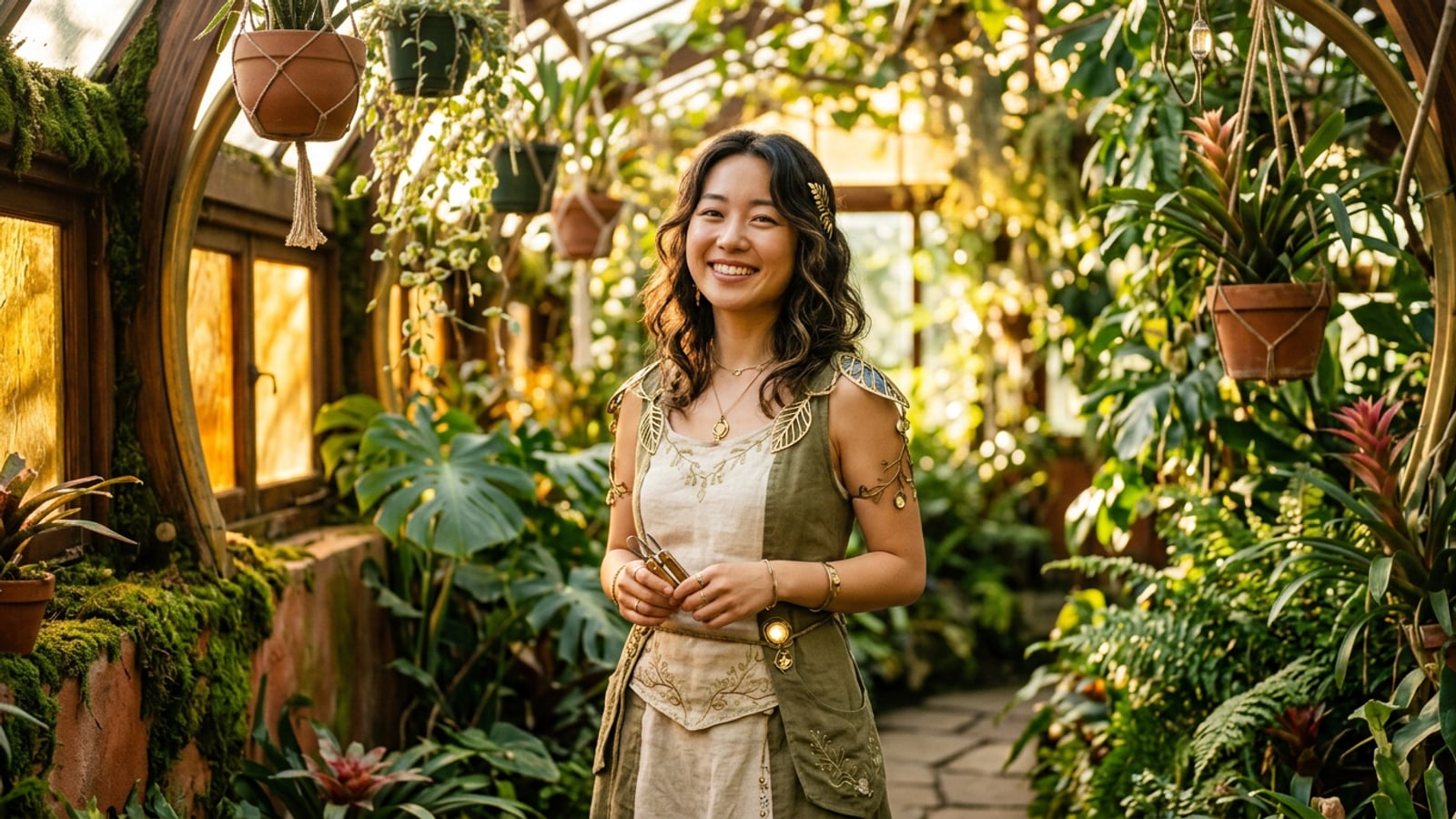
When localized for the Japanese market, Solarpunk resonates deeply with traditional values of nature-technology harmony, reminiscent of Studio Ghibli eco-futurism and the concept of techno-animism. Rather than monumental green skyscrapers, Japanese Solarpunk focuses on a cozy, intimate scale known as 'Neo-Mori' (Modern Forest Girl). This subculture merges organic, layered natural fabrics with small-scale renewable accessories and biophilic space design.[2][7][11]
Simultaneously, a major shift in beauty aesthetics has transformed AI portrait styling in 2026. The hyper-polished, synthetic 'glass skin' look that dominated generative AI for years has been superseded by 'Cloudglow'. Emerging from East Asian beauty trends, Cloudglow prioritizes a soft, diffused glow with velvety, realistic skin textures that look luminous under natural amber light and sanctuary-style interior lighting.[4][10]
Combining Neo-Mori styling with Cloudglow skin creates a distinct visual signature for Solarpunk AI portraits. Instead of plastic-looking glossy faces, portraits feature soft matte radiance, natural skin tones, and subtle ambient light scatter that feels organic, comforting, and human.[4]
- Neo-Mori Styling: Layered linen dresses, knitted cardigans with embedded solar threads, and brass leaf hair clips.[2]
- Cloudglow Texture: Soft-focus, velvety illumination that avoids oily hyper-glare and preserves realistic skin porcelain warmth.[4]
- Color Harmony: Earthy greens, warm ochre, soft beige, and rich amber backlighting.[10]
実践チュートリアル:CARAで作るソーラーパンクAIポートレート(4ステップ)
Text-to-Image GenerationからCara Agent(対話型編集)、AI Eraser、Image Extenderまでの具体的な制作手順を明示します。
Creating a convincing Solarpunk portrait requires more than a single prompt attempt. Standard AI image generators often insert unwanted dark elements, cybernetic wires, or plastic textures. Using a mobile AI creator tool like Cara on iOS or iPadOS allows you to generate a foundational composition and then refine it using conversational natural language commands.
By pairing Text-to-Image Generation with conversational editing and targeted object removal, creators can guide the creative vision step-by-step without requiring complex desktop photo editing skills, aligning with the stress-free eco-utopian aesthetic seen in modern cozy games.[3][8]
- Step 1: Generate the Base Image with Text-to-Image
Open Cara on your iOS device and navigate to Text-to-Image Generation. Enter a detailed Solarpunk prompt specifying subject, outfit, biophilic environment, and amber golden hour lighting. Select your preferred aspect ratio (such as 3:4 or 9:16 for portraits) and generate your initial base image.
- Step 2: Refine Visual Elements using Cara Agent
Open your generated portrait in Cara Agent for conversational photo editing. Type natural language instructions to adjust the mood, such as: 'Add warm golden hour sunlight filtering through the background leaves' or 'Make the clothing texture look like natural organic linen.' The AI processes your edit in the cloud to update the scene.
- Step 3: Clean Up AI Noise with AI Eraser
Examine the portrait for unwanted AI artifacts, such as stray cybernetic wires, floating particles, or awkward background mechanical clutter. Select AI Eraser, brush over the unwanted object, and let the AI seamlessly fill the background with matching moss or terracotta texture.
- Step 4: Swap Specific Elements with AI Replace
If a hair accessory or outfit detail looks too futuristic or synthetic, use AI Replace. Highlight the accessory area with your finger and type: 'a delicate brass leaf hair clip with subtle solar filigree'. The tool replaces only the selected area while preserving the rest of the portrait.
コピペで使える!ソーラーパンク・プロンプト・ライブラリ
被写体、バイオフィリック植物、琥珀色の太陽光、ネガティブ制約をモジュール化した実践プロンプトブロックを提供します。
To achieve high aesthetic fidelity in Solarpunk portraiture, prompt construction should follow a modular framework: Subject + Clothing & Style + Biophilic Environment + Lighting & Atmosphere + Technical Rendering Constraints.[1][4]
Below are ready-to-use prompt modules designed to produce warm, natural, and non-dystopian Solarpunk visual results.
- Master Solarpunk Portrait Prompt: 'A cinematic portrait of a young Japanese woman in 2026 Neo-Mori fashion, wearing layered organic linen clothes with delicate brass leaf solar filigree accents. Sitting in a sun-drenched biophilic atrium filled with climbing ivy, hanging ferns, and moss-covered terracotta pots. Soft amber golden hour sunlight pouring through solar glass windows, dappled light on skin, velvety Cloudglow skin texture, cozy eco-optimism aesthetic, soft focus background, highly detailed photography --no text, no watermark, no neon, no dark cyberpunk, no plastic skin, no rain'[2][4]
- Close-Up Beauty Focus Prompt: 'Close-up portrait of a person with radiant Cloudglow skin, soft natural makeup, wearing a woven linen collar with small brass solar circuitry details. Surrounded by lush green leaves and warm amber light leaks, soft film grain, natural skin pores, warm earthy color palette, cinematic depth of field'[4]
- Urban Solarpunk Creator Prompt: 'A creative artist standing on a balcony of a biophilic solar-powered eco-city, holding a wooden tablet. Vertical gardens and glass solar arbors in the background under a bright clear sky, warm sunlight, green plants, optimistic atmosphere, realistic photography style'[1][3][11]
- Essential Negative Prompt Block: 'neon, cyberpunk, dark asphalt, rainy night, dystopia, pollution, wires, plastic skin, hyper-glossy face, heavy mechanical armor, industrial pipes, monochrome, depressing tone'[2]
世界観を拡張する:画像拡張と写真コラージュでムードボードを作成する
Image Extenderでエコ都市の景観を拡張し、Photo Collage Makerでポートレートと植物テクスチャをまとめる応用テクニックを紹介します。
A compelling Solarpunk portrait often demands a broader sense of environment to tell a complete visual story. However, tightly cropped selfie prompts can constrain the background. With Cara's Image Extender (Outpainting), creators can extend the outer edges of a portrait photo canvas, allowing the AI to generate surrounding vertical gardens, solar canopy roofs, or sunlit greenhouse corridors seamlessly.[3][8]
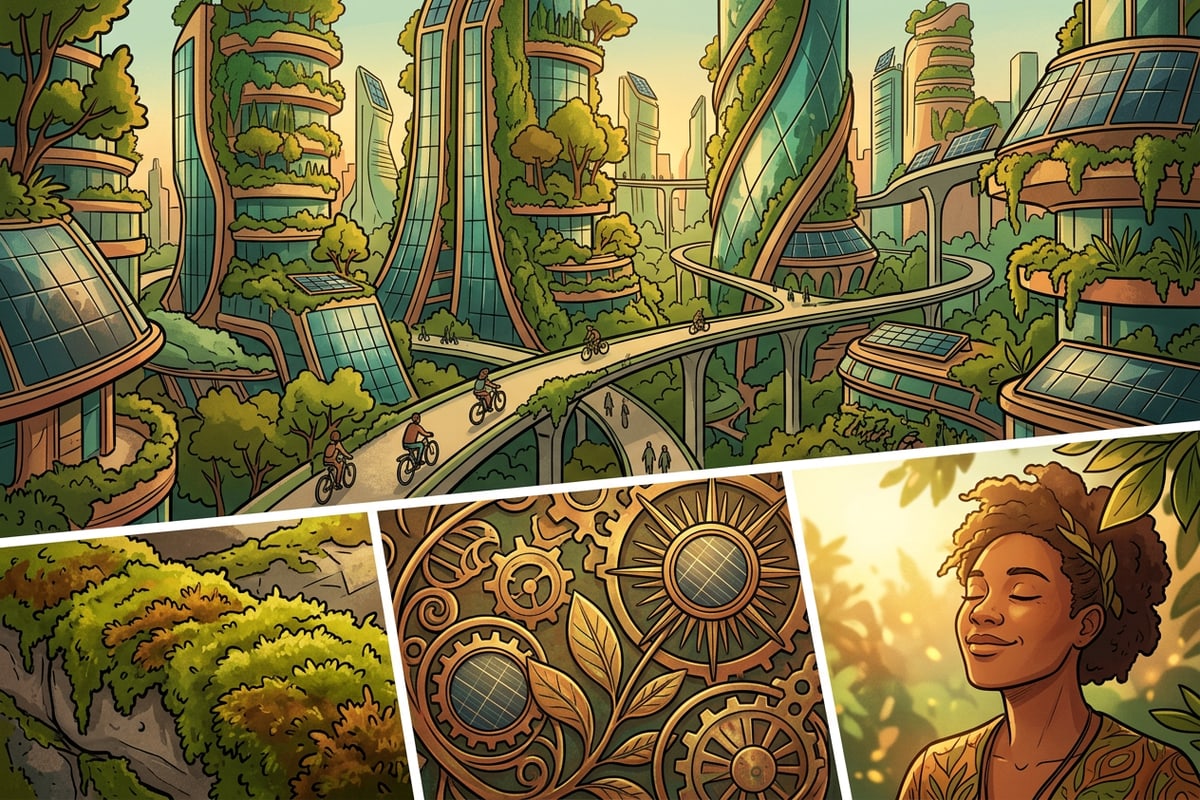
To present a complete brand vision or social media showcase, individual portraits can be compiled into aesthetic mood boards. Using Cara's Photo Collage Maker, you can combine close-up Cloudglow portraits, macro plant texture shots, and wide-angle biophilic architectural elements into curated grid layouts.[10][11]
This multi-asset workflow transforms a single portrait project into an expansive digital asset suite suitable for social media carousels, mood boards, and creative brand guidelines.[1]
- Outpainting Vistas: Extend 1:1 square portraits into 16:9 cinematic headers with biophilic architecture extensions.
- Texture Storytelling: Pair character portraits with close-ups of moss, brass leaf filigree, and warm terracotta tile in a collage.[2][10]
- Subject Isolation: Use Remove Background to extract portrait subjects and composite them against expanded biophilic backgrounds.
Ethical & Technical Tradeoffs: AI Cloud Compute vs. Bio-Aesthetic Idealism
An honest evaluation of the environmental paradox of AI image generation alongside physical art media tradeoffs.
A meaningful exploration of Solarpunk art must acknowledge an inherent paradox: while Solarpunk celebrates environmental sustainability and green energy, AI image generation relies on cloud data centers that consume real electrical energy and water cooling.[1][5]
It is essential to remain intellectually transparent—AI tools are not inherently zero-impact or environmentally superior solutions. Physical studio photography and traditional painting also involve material footprints, from chemical film processing and plastic props to transport emissions.[1]
Rather than claiming AI is 'green', responsible creators treat digital tools as intentional creative accelerators. By using precise prompting and conversational editing to achieve target results in fewer generation steps, creators minimize unnecessary cloud compute churn while sharing hopeful visual narratives.[2][3]
- Cloud Compute Reality: AI image generation requires GPU server power; practical creators avoid excessive rapid-fire random generations.[1]
- Targeted Editing Efficiency: Using targeted tools like AI Eraser and AI Replace uses compute more intentionally than re-generating entire images from scratch.
- Cultural Impact: Solarpunk imagery acts as a visual driver for eco-optimism, inspiring positive real-world design and green energy adoption.[2][7]
Decision Framework: Solarpunk vs. Cyberpunk for Social Media Strategy
A strategic comparison matrix helping creators and brands determine when to apply Solarpunk aesthetics for maximum audience engagement.
Choosing between futuristic visual styles depends heavily on brand identity, target audience, and campaign messaging. While cyberpunk retains appeal in gaming and edgy streetwear contexts, Solarpunk offers superior engagement for lifestyle, wellness, eco-tech, and personal creator branding in 2026.[1][2][3][7]
The framework below compares visual traits, emotional resonance, and optimal use cases for both aesthetic movements.
- Solarpunk Aesthetic: High emotional warmth, approachable eco-optimism, natural lighting, velvet skin tones. Best for wellness, green fashion, personal branding, cozy gaming, and lifestyle content.[2][3][8]
- Cyberpunk Aesthetic: High visual friction, dystopian grit, cool neon lighting, metallic/synthetic textures. Best for night-life events, hardcore gaming, dystopian fiction, and high-tech hardware promotion.[2]
- Audience Sentiment Shift: 2026 research indicates higher creator retention and positive brand affinity for warm, nature-integrated imagery over dark urban dystopias.[1][2][7]